Tencent Reportedly Pulls the Plug on Last Sentinel After Six Years and Hundreds of Millions at Lightspeed LA
By CriticalPixel ·
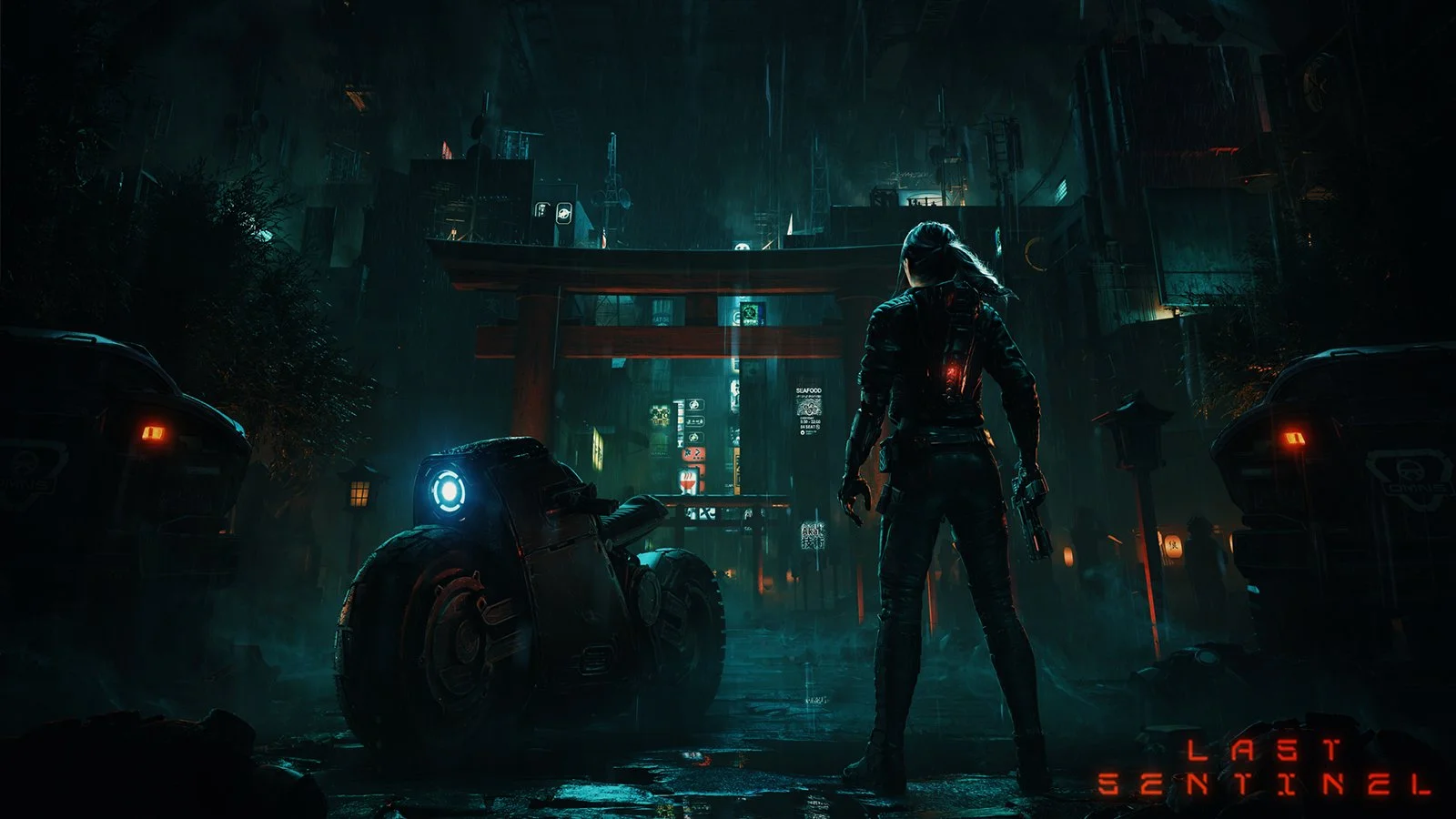
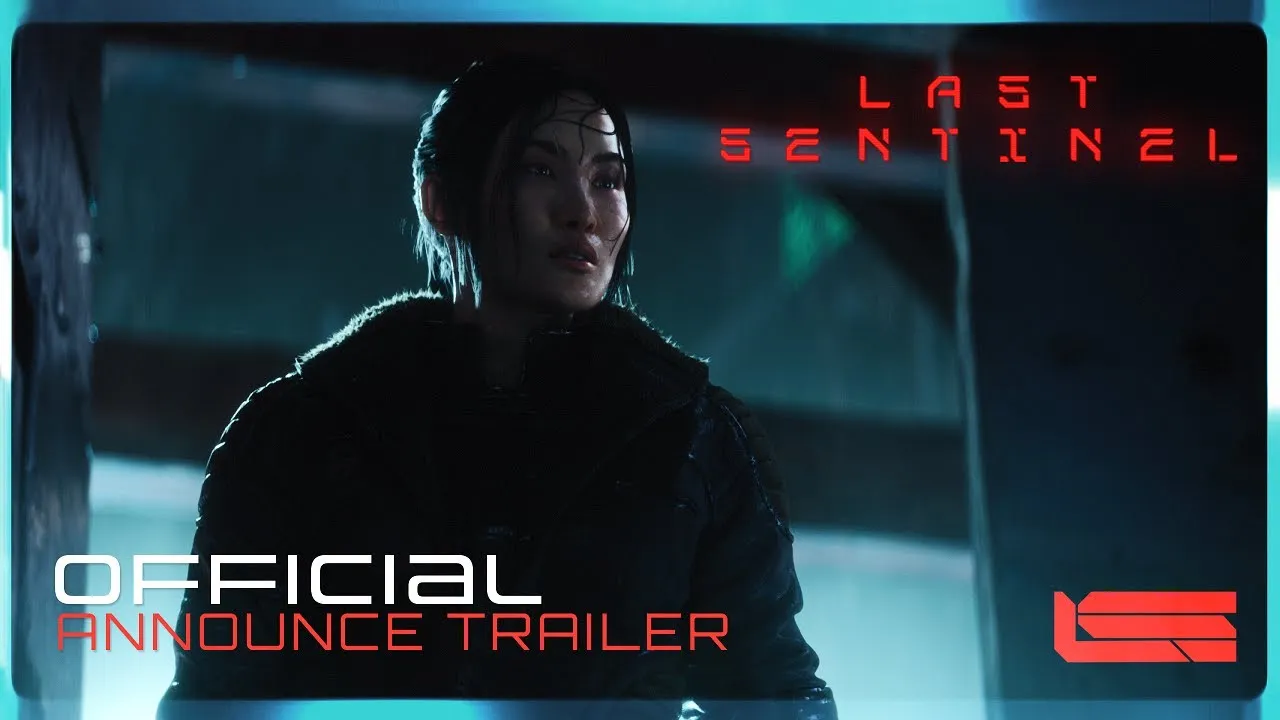
Tencent has reportedly walked away from Last Sentinel, the cyberpunk open-world action game pitched as a Grand Theft Auto competitor that Lightspeed LA has been quietly toiling on for the better part of six years. Bloomberg, citing people familiar with the situation, says the Chinese conglomerate decided not to move the project forward as it stands after a final internal review this week, effectively ending the sci-fi Tokyo-set game as it was originally pitched and triggering a mass layoff of about 80 developers at the Los Angeles studio.
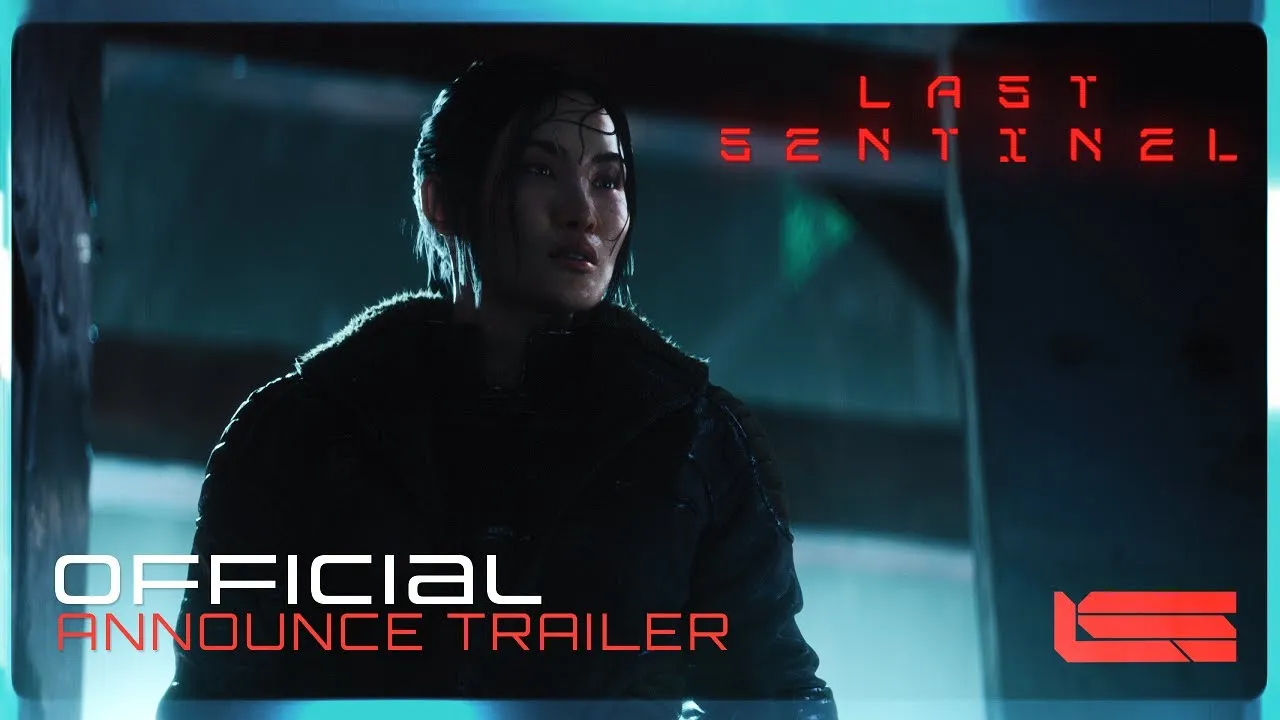
The news landed hard because the public version of Last Sentinel looked spectacular even at a distance. Lightspeed LA revealed it at The Game Awards 2023 with a glossy cinematic trailer that name-dropped former Rockstar veterans, including longtime San Diego office lead Steve Martin, and promised a dynamic open-world action game set decades from now in a reconstructed Tokyo. Three years on, the studio never showed gameplay. It barely showed a still frame outside of marketing pushes, and most players had already written the thing off as vaporware before the Bloomberg report landed.
What actually went wrong
The Bloomberg report points at the same trio of rot that always kills these mega-productions: weak direction, weak management, and ambitions that outran the team. Specifically, the project lacked a clear creative vision, suffered from high turnover, and reportedly blew through budgets and deadlines on its way to a playtest earlier this year that did not land. Tencent gave Lightspeed one last window to fix the quality of the game before the final review came back this week, and the verdict was not the one the studio wanted.
Some of the rot is structural. Lightspeed LA had been staffing up around a brand new leadership team plucked from Rockstar, but its team size, somewhere in the low few hundred, was always going to be a tough match for a GTA-quality cyberpunk open-world that pivots on fast-paced combat and a fully traversable near-future Tokyo. The genre alone punishes underbudgeted teams harder than almost anything else in mainstream gaming, and that is before factoring in the engine, narrative, and cinematic ambitions the trailer kept promising.
The Tencent context matters
This is the second big Tencent-funded Western project to die on the vine inside a year. Earlier this year the company shut down TiMi Montreal, the studio it had funded for years and never shipped anything from, and Team Kaiju, its L.A.-based studio that had hired former leads from Halo and Battlefield, had already been shuttered back in 2023. Both of those failures were silent. Last Sentinel got a trailer and a glossy Games Awards reveal, which makes the abrupt end that much louder and that much more visible for a publisher that usually moves behind the scenes.
Tencent is openly pivoting away from AAA, according to Bloomberg, which lines up with the broader pullback the parent company has signaled around Western premium-game investments. The MindsEye disaster earlier in the run crystallized that worry in vivid detail. Industry friends will remember MindsEye was pitched as a potential GTA rival too, then shipped as the worst-rated major release of last year and ended up tangled in accusations of internal employee surveillance. Anyone looking at Tencent's portfolio this year can read the writing on the wall: the company is consolidating, and it does not want another GTA-sized hole in its books.
What comes next for Lightspeed LA
Lightspeed LA insists it is still open and still making games, and a spokesperson pointed Bloomberg toward some version of the project still moving forward in a different form. We have heard that exact sentence enough times now to know how hollow it can get, but credit where it is due: the studio is not pretending the announcement trailer still represents the game. Reading between the lines, this looks more like a reboot from scratch than a continuation, and roughly 80 people just paid for that realization with their jobs.
For the players, the math is simple. You lost a six-year, hundreds-of-millions-dollar bet on a cyberpunk Tokyo with former Rockstar developers running the show, and you got one cinematic trailer and a handful of behind-the-code videos as the entire public footprint. The appetite for open-world action games of that scale is clearly there, judging by how much Steam Deck OLED stock alone moves when a GTA VI rumor sneezes, but the bar for shipping one is higher than any of these tech-bro skunkworks projects want to admit.
The CriticalPixel take
Look, Last Sentinel never felt real. A new studio, a fresh leadership team, a GTA-shaped scope, and a major Western publisher in 2026 that is openly retreating from AAA: that combination does not work. You can staple every former Rockstar name you want onto a press release, but if the floor under the project is hollow, no trailer thumb will hold the building up. This is what happens when funding gets pulled forward into a cinematic reveal instead of being held back until a vertical slice actually plays.
We will keep watching Lightspeed LA's next steps and any signal from Tencent on Western AAA funding. For now, treat Last Sentinel the same way you would treat any game that vanished from a publisher's roadmap after a flashy trailer: write it down, learn from how it died, and back to the backlog.