The Rocksteady Devs Who Made Suicide Squad KTJL Say Live Service Broke Them and Now They're Going Indie
By CriticalPixel ·
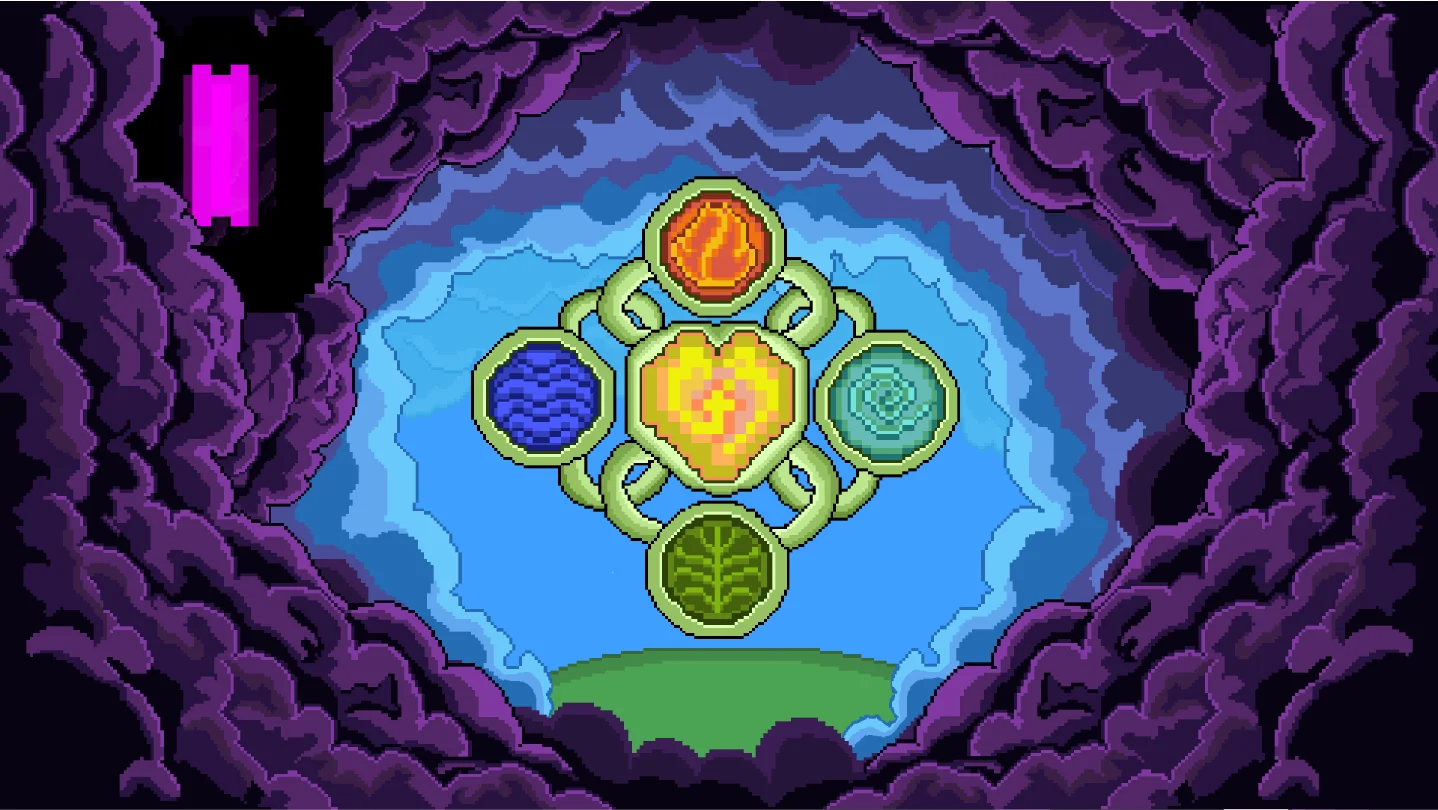
Suicide Squad: Kill the Justice League cost Warner Bros. roughly $200 million and turned one of the most respected studios in gaming into a cautionary tale about what happens when publishers treat game development like a revenue optimization problem. Two of the people who lived through that production are now done with AAA and have launched a Kickstarter for a tiny indie deckbuilder called Secret of Circadia. Their names are Axel Rydby, the game's top designer, and Johnny Armstrong, who joined Rocksteady back in 2010 and rose to associate design director. They talked to Bloomberg this week and said exactly what you probably suspected happened inside that development, and none of it is pretty.
Following a Spreadsheet Instead of Making a Game
Rydby told Bloomberg that somewhere along the way, the big meetings stopped being about what would be cool and started being about what would help monetization. Decisions got filtered through a marketing analysis spreadsheet that nobody could ever explain clearly, but that everyone had to defer to anyway. 'That's when I started feeling like I wasn't making games anymore,' he said. 'I was following a spreadsheet, some elusive marketing-analysis spreadsheet that no one could present clearly. I kind of felt like this isn't the gaming industry I wanted to work in.' That is a remarkably honest thing to say about a project you spent years of your life on, and it tracks with everything else that came out about that game's troubled development. The problem was never that the team lacked talent. The problem was that the goal kept shifting from making something great to making something that would keep players paying.
Armstrong pointed to a different but related failure mode: overconfidence after the Batman Arkham trilogy. Rocksteady built three of the best superhero games ever made, all of them tight, authored experiences with strong narrative design and bespoke level construction. Then they pivoted to live service, which is a completely different discipline with completely different requirements, and apparently nobody stopped to properly reckon with that gap. Armstrong said the scale of Suicide Squad made it nearly impossible to test things adequately, and the team kept kicking problems down the road with small delays instead of stopping to do the harder structural work. 'We put all these hours in, but it didn't feel like it was tangibly getting better,' he told Bloomberg. 'Everyone felt like they were having to run to stand still.' That is one of the more precise descriptions of a live service death spiral you will ever hear from someone who was inside one.
What They Are Building Now
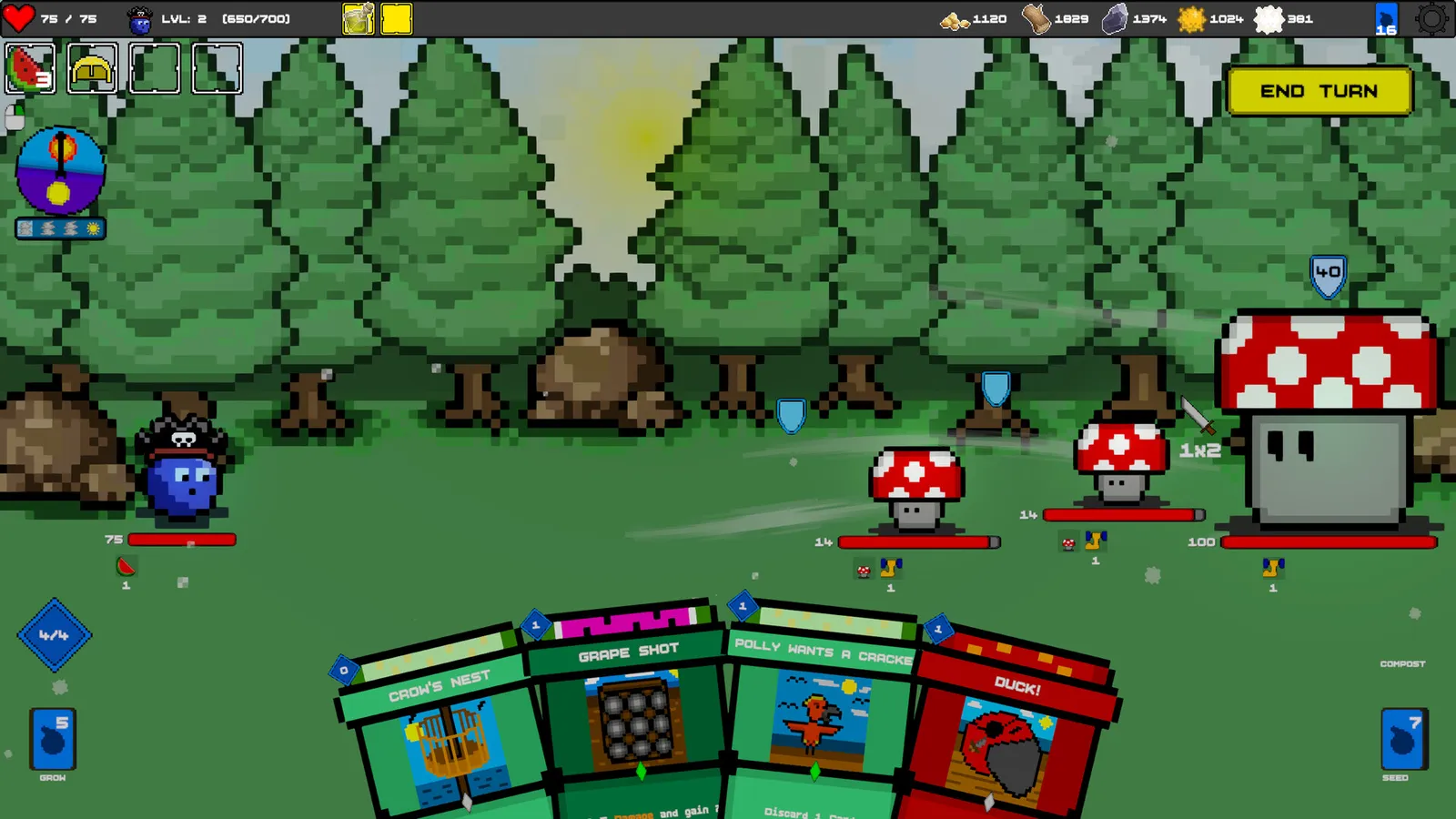
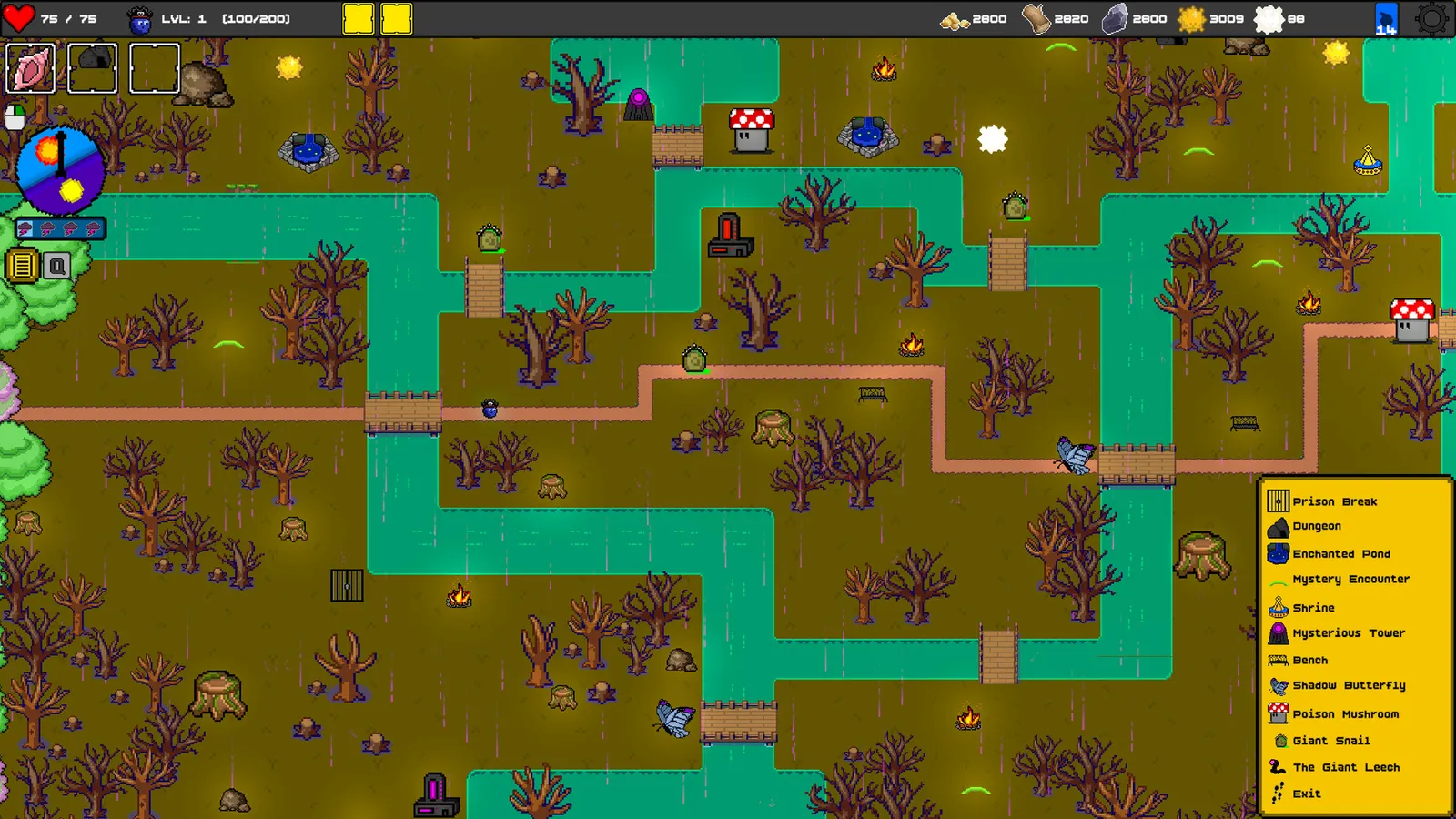
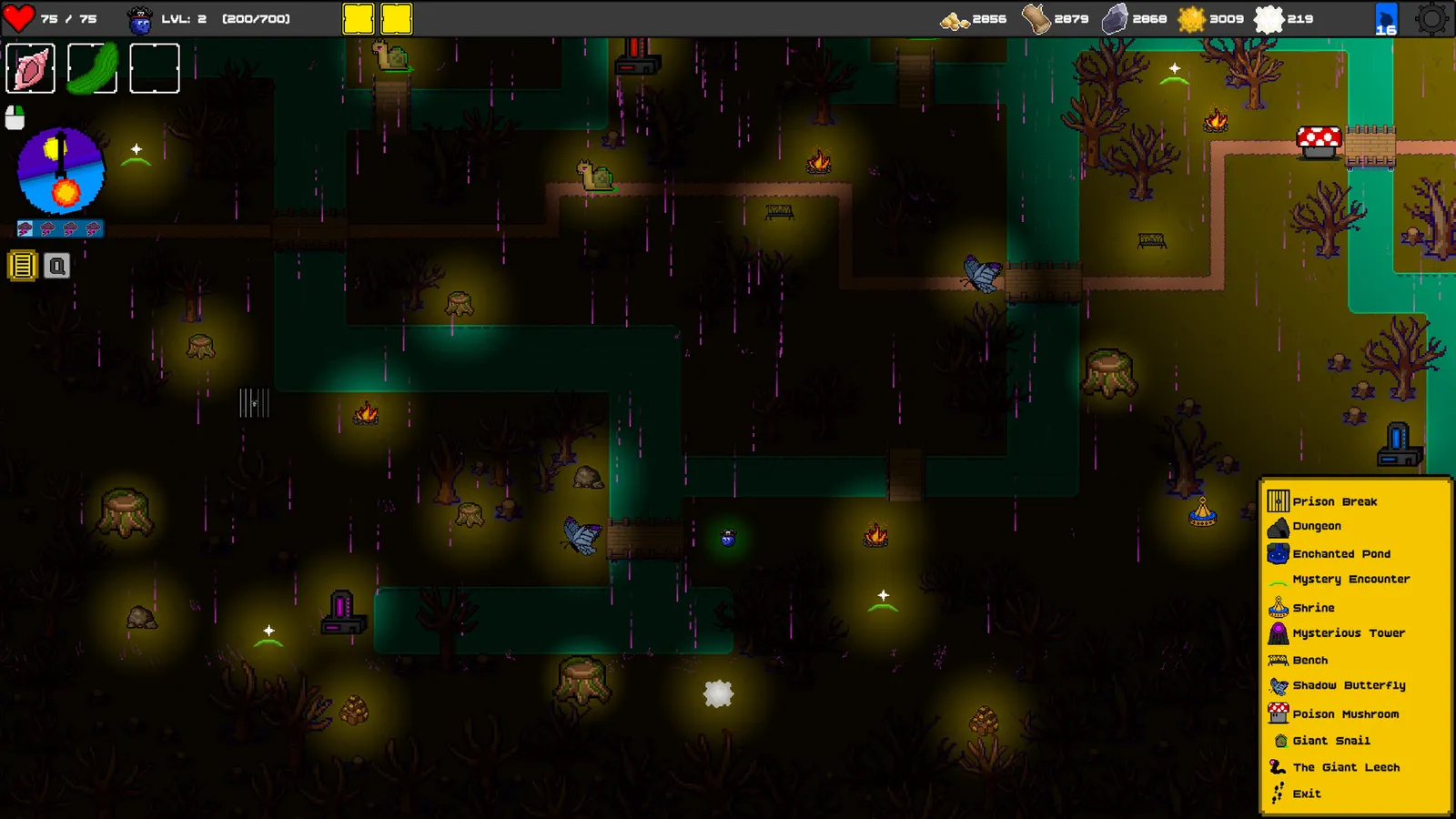
Secret of Circadia is a retro pixel-styled RPG deckbuilder that mixes light city builder elements with roguelite mechanics. It is developed under the studio name Stellify Entertainment Studio, which is just the two of them. The Kickstarter launched June 30 with a goal of just over $11,000, which is practically a rounding error compared to the budgets they used to work with, and there is a free demo up on Steam right now. The game bills itself as an open love letter to the indie titles that clearly kept these two sane during the Suicide Squad years: Slay the Spire, Balatro, Hades, Stardew Valley, Hollow Knight, Moonlighter. They also included an explicit anti-generative AI disclaimer on the Kickstarter page, which given Rydby's broader comments about the industry losing its way feels like a considered choice rather than a marketing footnote.
Rydby was direct about what changed for him at the broader industry level. 'I think as an industry we are severely losing our way,' he told Bloomberg. 'It used to be passion projects that you loved and hoped other people loved too. When they did, it was such an amazing feeling. It became less and less of that. It became: let's hope it sells. Let's hope we get money from it.' He is describing a shift that a lot of people in the industry have noticed but that rarely gets stated this plainly by someone who was near the top of one of the highest-profile failures of the live service era. That context matters. This is not some disillusioned junior dev venting anonymously. This is one of the lead designers of a $200 million project saying the process itself was broken.
Why This Story Matters Beyond Two Devs Switching Lanes
The Suicide Squad KTJL disaster has been picked apart from the business angle plenty of times, but this Bloomberg piece gets at something more specific: the experience of building a game when the creative goal has been subordinated to a financial model that nobody can clearly explain. That is not unique to Rocksteady. It describes the internal experience of dozens of studios over the last decade that went all-in on live service because publishers decided that was where the recurring revenue was. Some of them shipped disasters, some shipped fine games that quietly shut down, and some are still grinding. What makes the Rydby and Armstrong case notable is that they were at a studio with genuine prestige behind it and they still could not make it work, because prestige does not help you when the people writing the checks want a spreadsheet model and not a game.
Community reaction to the Bloomberg story has been limited so far, since the Kickstarter just launched days ago and has not yet built much visibility. The game's Steam page is live with a free demo, which is the right move for a small indie launch, and Armstrong posted about it directly on Twitter asking for retweets. The response has been modest but warm in tone. The story itself got picked up by Kotaku and circulated meaningfully on July 2, with the central quotes cutting through because they are unusually frank. Whether Secret of Circadia's Kickstarter will find its audience based on this press attention remains to be seen, but the timing of the Bloomberg interview clearly was not accidental.
The Real Question Is Whether AAA Will Notice
Stories like this one land in the press, generate a few days of sympathy clicks, and then the industry moves on and keeps doing the same thing. Warner Bros. is still a games publisher. Live service is still the target model for any game that touches a major IP. The same pressure to optimize for retention metrics and monetization over creative direction exists at virtually every major studio right now. Rydby and Armstrong are doing the reasonable thing for themselves by building something small and honest, but their departure is a symptom, not a solution. The people who could actually change the conditions they described are not reading Kickstarter pages. What Secret of Circadia does offer is a concrete product with a free demo, made by people who know what they are doing technically and who have a specific reason to care about getting it right this time. That is more than most Kickstarters can say.