The Witcher 3 Crosses 65 Million Copies Sold Becoming the Eighth Best Selling Game Ever
By CriticalPixel ·
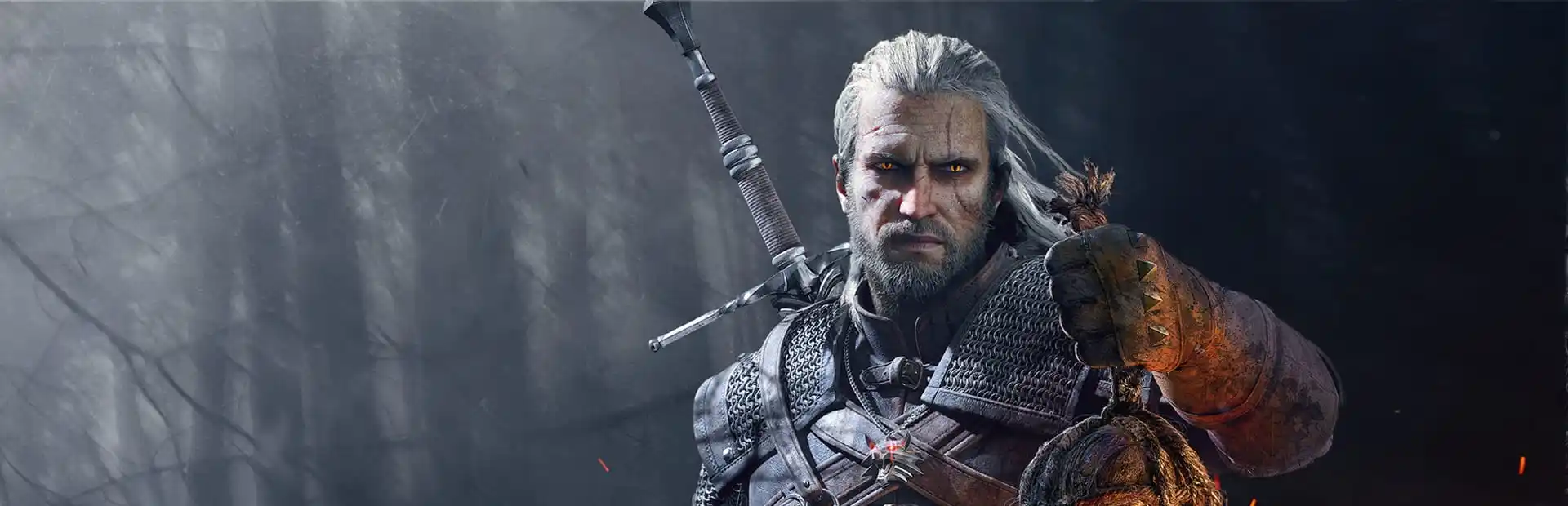
The Witcher 3: Wild Hunt just crossed 65 million copies sold. CD Projekt dropped the number in its Q1 2026 financial results without much fanfare, which is almost funny because most studios would build an entire marketing cycle around hitting a number that big. The game moved another five million units over the last 12 months, the same pace it has kept for years now. For context, that is roughly one copy of The Witcher 3 sold every six seconds for an entire year. An 11-year-old single-player RPG did that. Not a live-service game. Not a free-to-play shooter. A dense Polish fantasy RPG where half the quests involve following your Witcher senses through a swamp.
CD Projekt CFO Piotr Nielubowicz said the milestone cements its place among the best-selling videogames in history, and the numbers back that up. On the Wikipedia best-sellers list, The Witcher 3 now sits at eighth place. It passed Super Mario Bros at 58 million and sits just behind Terraria at 70 million. The top of the mountain is still Tetris, Minecraft, and Grand Theft Auto 5, but chasing those three is an entirely different sport. Tetris has been bundled with every phone, calculator, and fridge since the 1980s. Minecraft is a cultural phenomenon that doubles as a toy, a classroom tool, and a YouTube content factory. GTA 5 has the combined momentum of a decade of GTA Online microtransaction revenue. The Witcher 3 got here the old-fashioned way: people kept buying it because people kept telling other people to buy it.
Five Million Copies a Year, Every Year
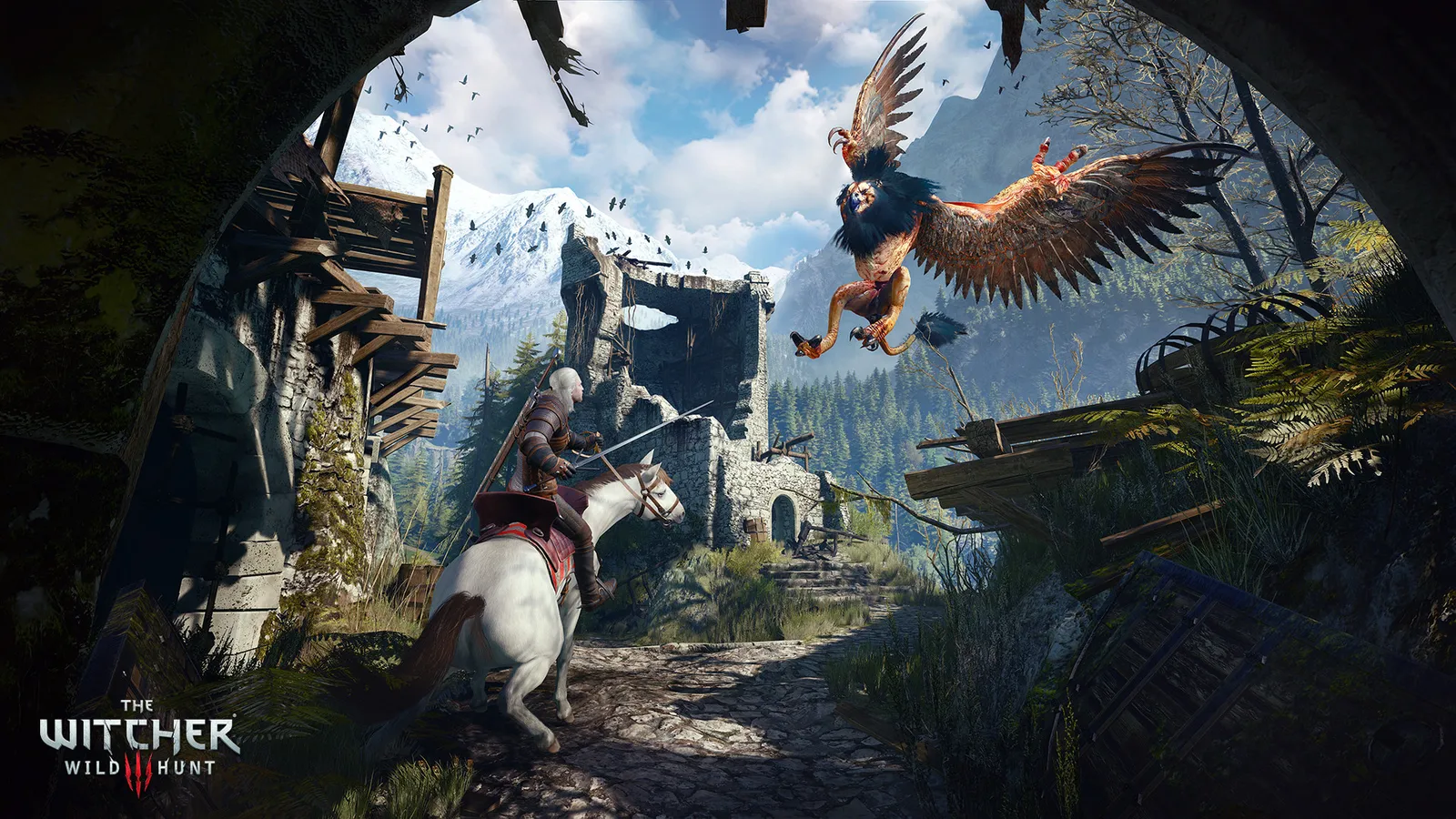
The consistency is the real story here. In 2019, four years after launch, the game hit 20 million copies. By 2023 it was at 50 million. In 2025, 60 million. Now, in 2026, 65 million. That is five million copies per year, every year, for over a decade. No major multiplayer mode, no battle pass, no seasonal content drops: just a game that people keep discovering and recommending. The Netflix show gave it a jolt back in 2019, and the next-gen update in 2022 certainly helped, but neither explains the sustained velocity. A good game at a fair price with two expansion packs that are arguably better than the base game will do that.
The sales numbers become even more interesting when you look at what else CD Projekt confirmed in the same financial report. The company is aiming to release three Witcher games in a six-year window once the new trilogy kicks off with The Witcher 4. That is an aggressive timeline by any standard, especially for a studio that has openly admitted it over-scoped Cyberpunk 2077 and spent years cleaning up the aftermath. The new Witcher trilogy will not get expansions either, which is a departure from CDPR tradition. Blood and Wine won Best RPG at The Game Awards in 2016. Hearts of Stone has one of the best villain arcs in the medium. The idea of Witcher games without expansions feels odd, but if the trade-off is getting three full games in six years instead of two with DLC stretching them out, it is a trade most people will take.
Songs of the Past: The Bridge Expansion
Speaking of expansions, the surprise announcement of Songs of the Past landed earlier this week. CD Projekt accidentally leaked it on its own storefront before confirming the project is real, and the details we have suggest it is closer to Blood and Wine than Hearts of Stone in scope. For a game that already has two of the best expansions in RPG history, the bar is absurdly high. The setting is rumored to be a new region connected to the existing map rather than a separate self-contained area, which would be a first for Witcher 3 post-launch content. CDPR also teased even more content coming this year beyond Songs of the Past, which probably means smaller free updates alongside the paid expansion.
The timing makes strategic sense. The Witcher 4 and the Cyberpunk 2 project codenamed Orion are both deep in development but probably not arriving before 2028 at the earliest. A major Witcher 3 expansion in 2027 gives CDPR something to sell and talk about while the big projects cook. It also keeps the Witcher brand active in the cultural conversation, which matters when you are about to pivot the franchise to a new protagonist with Ciri taking over from Geralt. And if the expansion sells anywhere near as well as Blood and Wine did, it is essentially free marketing for The Witcher 4.
The CD Projekt Red Comeback Keeps Rolling
There was a stretch between late 2020 and mid-2022 where betting on CD Projekt Red felt unwise. Cyberpunk 2077 launched in a state so rough that Sony pulled it from the PlayStation Store entirely, an unprecedented move for a AAA game from a major publisher. The stock cratered, the refund requests piled up, and the goodwill CDPR had banked from a decade of consumer-friendly practices evaporated in about 48 hours. But the Phantom Liberty expansion in 2023 turned Cyberpunk into a genuinely excellent game, the 2.0 update overhauled every system that needed overhauling, and the company's market value recovered. The Witcher 3 sales numbers are a reminder that the core CDPR identity predates the Cyberpunk launch disaster. This studio makes dense, ambitious RPGs with exceptional writing, and the audience rewards that.
The Witcher 3 also requires Windows 11 now, which CDPR quietly changed in the system requirements a couple of days ago. It is a practical note more than a scandal: Windows 10 hits end of support in October 2025, and maintaining compatibility with an unsupported operating system for an 11-year-old game is not a good use of resources. If you are somehow still running Windows 10 and have not played The Witcher 3 yet, congratulations, you now have two reasons to upgrade.
What 65 Million Means for Single-Player Games
Every time a single-player game posts numbers like this, it embarrasses the publisher argument that single-player is dead or dying. The Witcher 3 did not need a battle pass. It did not need daily login rewards or a rotating item shop. It did not need always-online DRM or a companion mobile app. It needed to be excellent, and then it needed CD Projekt to support it with real expansions and reasonable pricing over time. The Complete Edition regularly goes on sale for under ten dollars. That is not devaluing the product, it is building the audience. And a bigger audience means more people who will buy The Witcher 4 at full price when it launches.
This is the lesson that publishers like Ubisoft and EA keep learning and then forgetting. Ubisoft canceled multiple single-player projects while chasing live-service trends, only to watch Assassin's Creed Shadows pull the company back from the brink on the strength of a traditional single-player campaign. EA closed Visceral and reworked its Star Wars project into a service game that nobody asked for, then watched Respawn's Star Wars Jedi games sell millions with no microtransactions. The Witcher 3's 65 million copies are not just a CD Projekt success story. They are a receipt. Single-player games sell, and they keep selling, and the ones that keep selling the longest are the ones that respect the player's time and intelligence from day one.
The Road to 70 Million and Beyond
The Witcher 3 will pass Terraria at 70 million. That is not a maybe, it is a when. At the current pace of five million copies per year, it happens sometime in late 2026 or early 2027, right around when Songs of the Past is expected to launch. The expansion will almost certainly create a fresh sales spike that pushes the number higher faster. After that, the milestones get harder. Grand Theft Auto 5 has sold over 210 million copies and counting. Minecraft exceeds 300 million. Tetris is north of 500 million if you count every version ever released. Those numbers are not realistic targets for an M-rated dark fantasy RPG, and they do not need to be. The Witcher 3 already occupies a rarer territory: it is the highest-selling single-player RPG on the list, full stop.
CD Projekt Red built something that will be studied in game design courses for decades. Not because it invented new mechanics or pushed technical boundaries, but because it proved that investing deeply in writing, world-building, and post-launch support creates a sales curve that looks more like a subscription service than a traditional game launch. Geralt's story resonated enough that people kept coming back for it 11 years later, and they will keep coming back when Ciri picks up the medallion in The Witcher 4. If CDPR can maintain that quality across three games in six years, the industry might actually have to rethink what a successful franchise looks like.