Toy Story 3 Complete Edition and Retro Roundup get separate release dates
By CriticalPixel ·
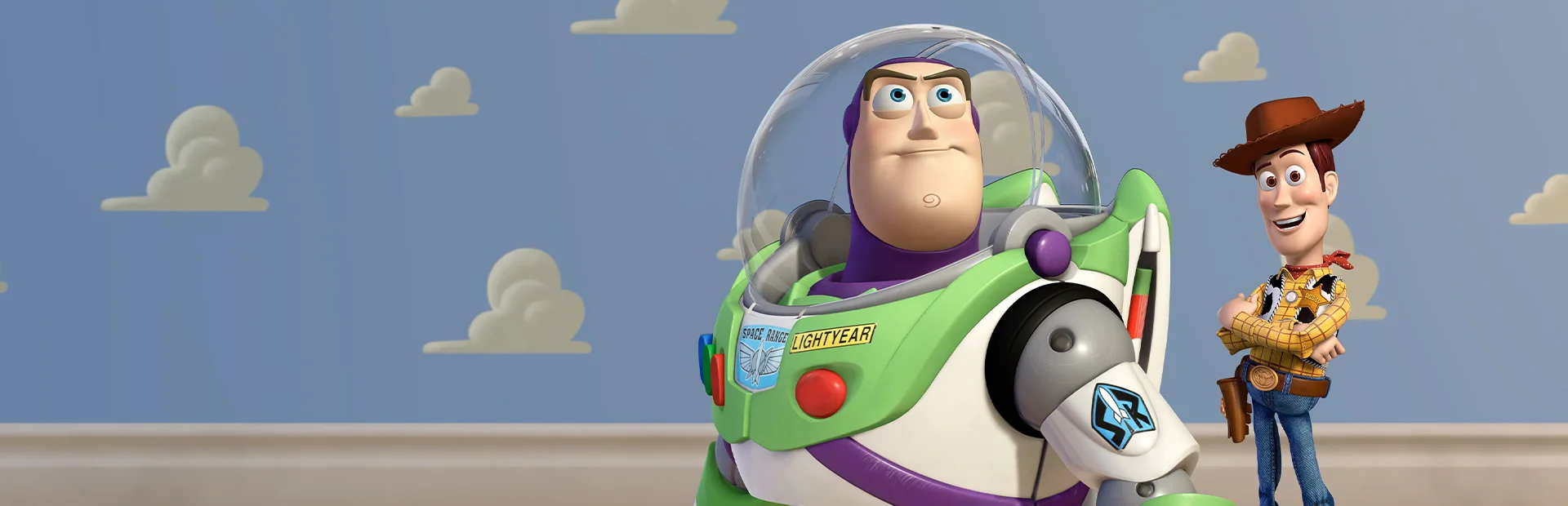
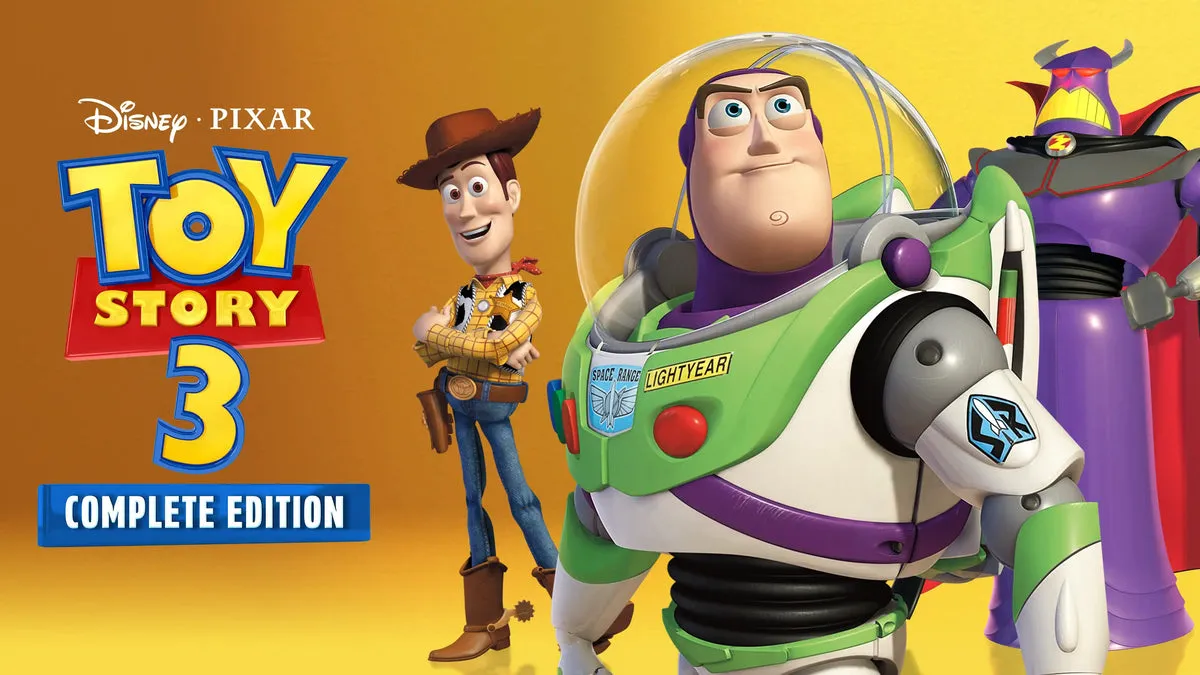
Atari and Digital Eclipse just did the kind of announcement that makes you stop scrolling because it sounds fake until you see the store pages. Toy Story 3 Complete Edition is coming back alongside Toy Story: Retro Roundup!, and the rollout is split by format in a way that actually matters if you are trying to budget around it. Atari's pages currently point digital editions at Oct. 8 and the physical double pack at Oct. 15, while Geoff Keighley's reveal tweet says Oct. 15 for the PC and console release, so the safest read is that the storefront is doing the usual launch-week dance. Either way, this is not a lazy nostalgia breadcrumb. This is a real attempt to drag a 2010 licensed game and a stack of older Pixar and Disney tie-ins back into the modern pile with enough polish that people will argue about the price instead of the premise.
Atari is splitting the launch by format
Atari's own store copy is surprisingly useful if you want the straight answer. The digital Toy Story 3 Complete Edition listing points to Steam app 4049180, while Retro Roundup points to 4049170, and the storefront has both digital pages pegged at $39.99. The physical double pack is $49.99. The digital pages list Steam, PlayStation, Xbox, and Nintendo, while the physical box is aimed at Switch 2, Switch, PlayStation 5, and PlayStation 4. That means this is one of those releases where the store itself is doing the sorting for you, and the answer is basically, buy digital if you want the single game, buy physical if you want the full two-piece shelf trophy.
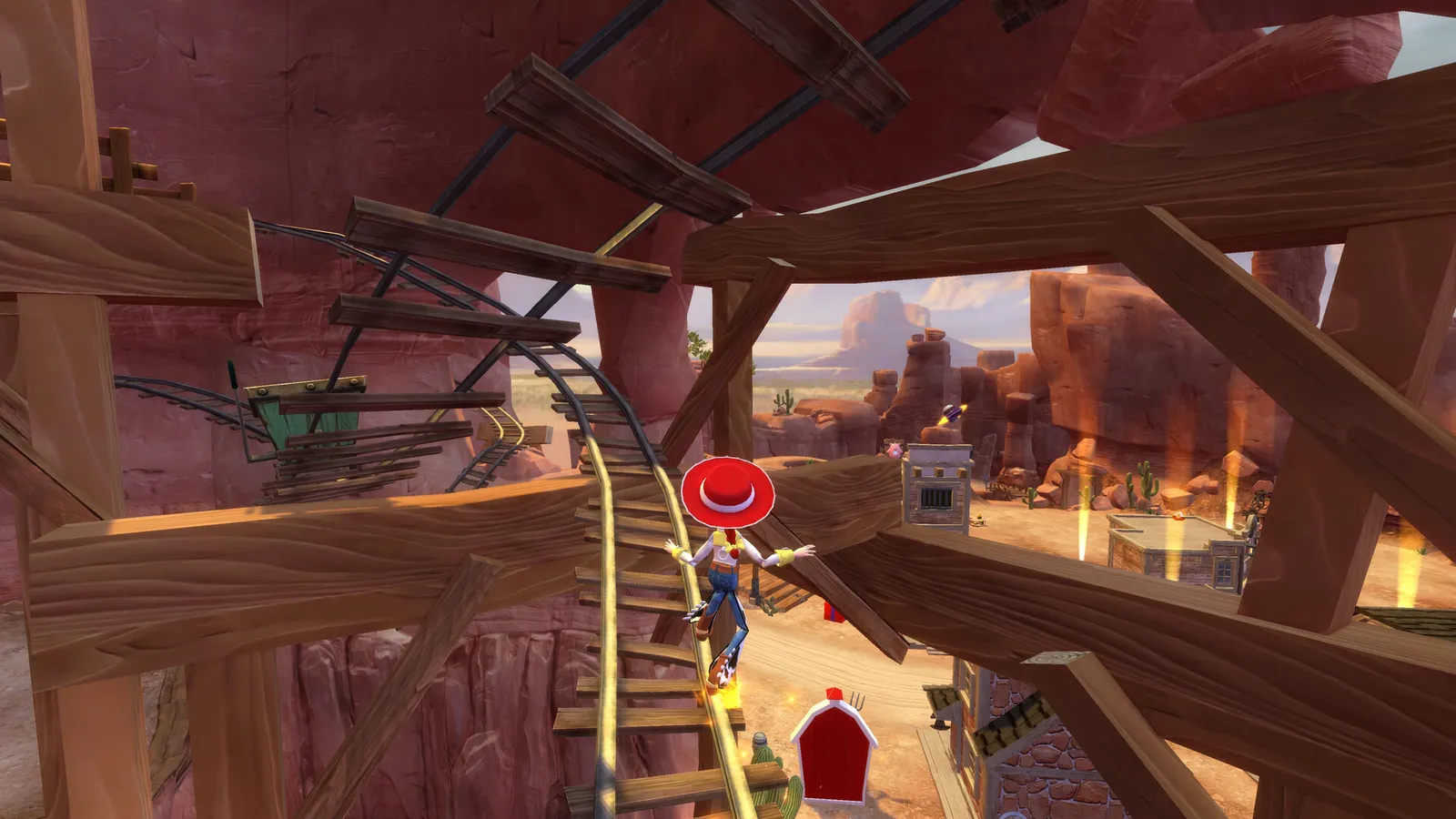
The headline release is not pretending to be a thin remaster. Toy Story 3 Complete Edition adds improved graphics that Atari says can go up to 4K at 60 fps depending on platform, plus Story Mode, Toy Box Mode, and the chance to play as Evil Emperor Zurg, along with four extra Theme Packs that were previously locked to certain versions. That is the detail that makes this feel like a real upgrade instead of a logo swap. If you remember Toy Story 3 as a movie tie-in, this is the part where the thing sneaks past your memory and reminds you it was already trying to be a mini sandbox game with a personality. A lot of publishers would have stopped at a straight port and a fresh trailer, which is why this announcement stands out.
What is actually inside the boxes
Toy Story: Retro Roundup! is the bigger museum-piece idea. Atari says the collection gathers five games, but those five games add up to 11 total console and handheld versions, because it includes both versions of four Toy Story titles plus A Bug's Life. The lineup spans Toy Story, Toy Story 2: Buzz Lightyear to the Rescue!, Toy Story 2, Buzz Lightyear of Star Command, Toy Story Racer, and A Bug's Life, which is a deliciously odd pile of late-era licensed-game history that should have stayed in a bin and yet somehow now has a proper storefront pitch. Digital Eclipse also says the package includes behind-the-scenes videos, a virtual museum full of design docs and old photos, and quality-of-life tools like Rewind and Rex's Cheat Codes. That is the difference between a cash grab and an archival release, and the difference matters more than it should.
There is a reason these details land harder than a normal remake announcement. The older games are not being sold as museum fossils that can only be admired from behind glass. They are being framed as playable history, with enough care that the release can appeal to people who grew up on the movies and people who just want a weird, specific slice of game design preserved before it disappears into emulator forums and YouTube clips. That is a much smarter pitch than pretending the word nostalgia alone can carry the whole thing. The package is basically saying, yes, these are old licensed games, but old does not have to mean disposable.
Why Digital Eclipse can get away with this
Digital Eclipse keeps making the same case in different outfits, and this one is easy to respect. The studio has built its whole pitch around preserving game history, and the Toy Story page reads like it came from a team that actually likes the toys in the chest instead of just selling the chest itself. You get interviews, soundtrack access, museum content, and a clear attempt to explain why these games existed and why they worked. That matters because licensed games used to be the definition of disposable software, the sort of thing you bought because the box had a movie you already knew on it. When a studio chooses to put real care into that category, it changes the conversation from why does this exist to why did we ever let this stuff rot in the first place.
Toy Story 3 was already the one people kept quietly admitting was better than it had any right to be, mostly because Toy Box Mode let the game escape the movie and become its own little playground. The remaster leans into that strength instead of sanding it off, which is smart because the original version was never interesting just because Woody and Buzz were in it. It was interesting because you could bounce between the story beats and a goofy open-ended toy town without feeling like the game was punishing you for wanting to play around. That is a much better pitch than remember this from 2010, and it is probably why the announcement feels warmer than the average nostalgia drop.
The reaction on X was instant
The reaction on X was immediate and, honestly, pretty fun to watch. Geoff Keighley's post lit up fast, Digital Eclipse's own announcement got the expected wave of disbelief, and the replies split between English, Portuguese, Spanish, and the occasional Turkish post from people who looked like they had just been hit with a childhood memory they did not ask for. IGN Brasil and Nintendo Switch Brasil both jumped on the news within minutes, which is usually the tell that a story has escaped the core crowd and started moving through the broader gaming bubble. The jokes were predictable in the good way, with people instantly asking which other forgotten childhood game should get the same treatment next.
That reaction matters because it shows the announcement is landing as more than a niche preservation project. People are not just treating this as a funny relic from the past. They are treating it like a real product that might have to earn a spot in their backlog and their shelf at the same time. That is a decent problem for Atari to have. If a remaster can still trigger that kind of instant, cross-language chatter, the market is telling you there is still life in these old licensed corners, so long as the publisher does not phone it in.