Tripwire Interactive Cuts 36 Staff in Second Layoff Wave as Studio Size Shrinks Below 50
By CriticalPixel ·

Tripwire Interactive confirmed on November 9 that it has eliminated 36 roles across the company. The Georgia based studio best known for Killing Floor and Maneater described the reduction as a painful but unavoidable step for the company. Coming only seven months after an earlier cut of 23 workers in March 2026, this second round strikes at the core of the team. A report published by PC Gamer reveals that the studio is now down to approximately 40 to 50 active employees. That represents a dramatic collapse in overall workforce size within a single calendar year, raising immediate alarms about ongoing production pipelines.
Publishing Expansion Collides With Studio Downsizing
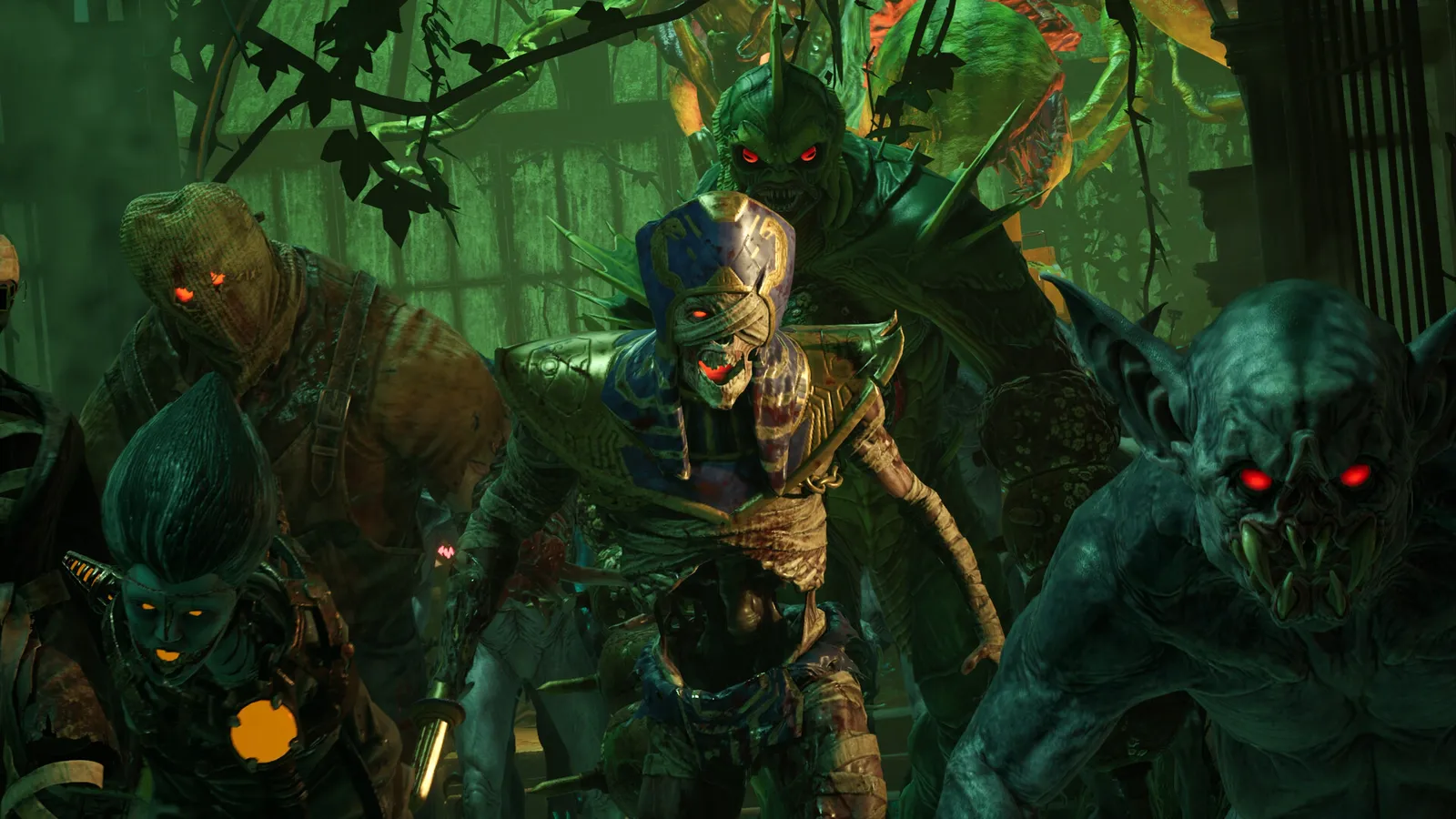
What makes this round particularly jarring is its timing against recent corporate messaging. Less than a week before handing out pink slips, Tripwire publicly announced a major push for its Tripwire Presents publishing label. Publishing director Bryan West touted expanded assistance for scrappy independent developers seeking distribution and marketing help. To follow that cheerful pitch by shedding 36 full time staff members looks disjointed to outside observers. Coverage from GamesIndustry.biz shows that the cuts landed directly on internal staff across development and operations alike. Launching an indie publishing program while cutting the creators who build your internal games highlights a troubling corporate dissonance.
Tripwire leadership maintains that its slate remains fully active despite the severe talent drain. In public communications posted to social platforms, the company stated that remaining teams are focused on development of Maneater 2, continued updates for Killing Floor 3, and ongoing third party publishing contracts. Yet asking an organization reduced to fewer than fifty developers to juggle two large franchises alongside third party support duties strains credibility. Building games of this scale requires dedicated engineering, quality assurance, audio design, and community management. Losing nearly sixty experienced workers across two consecutive rounds this year leaves those remaining developers under intense pressure to deliver results.
Killing Floor 3 Struggles Cast a Long Shadow
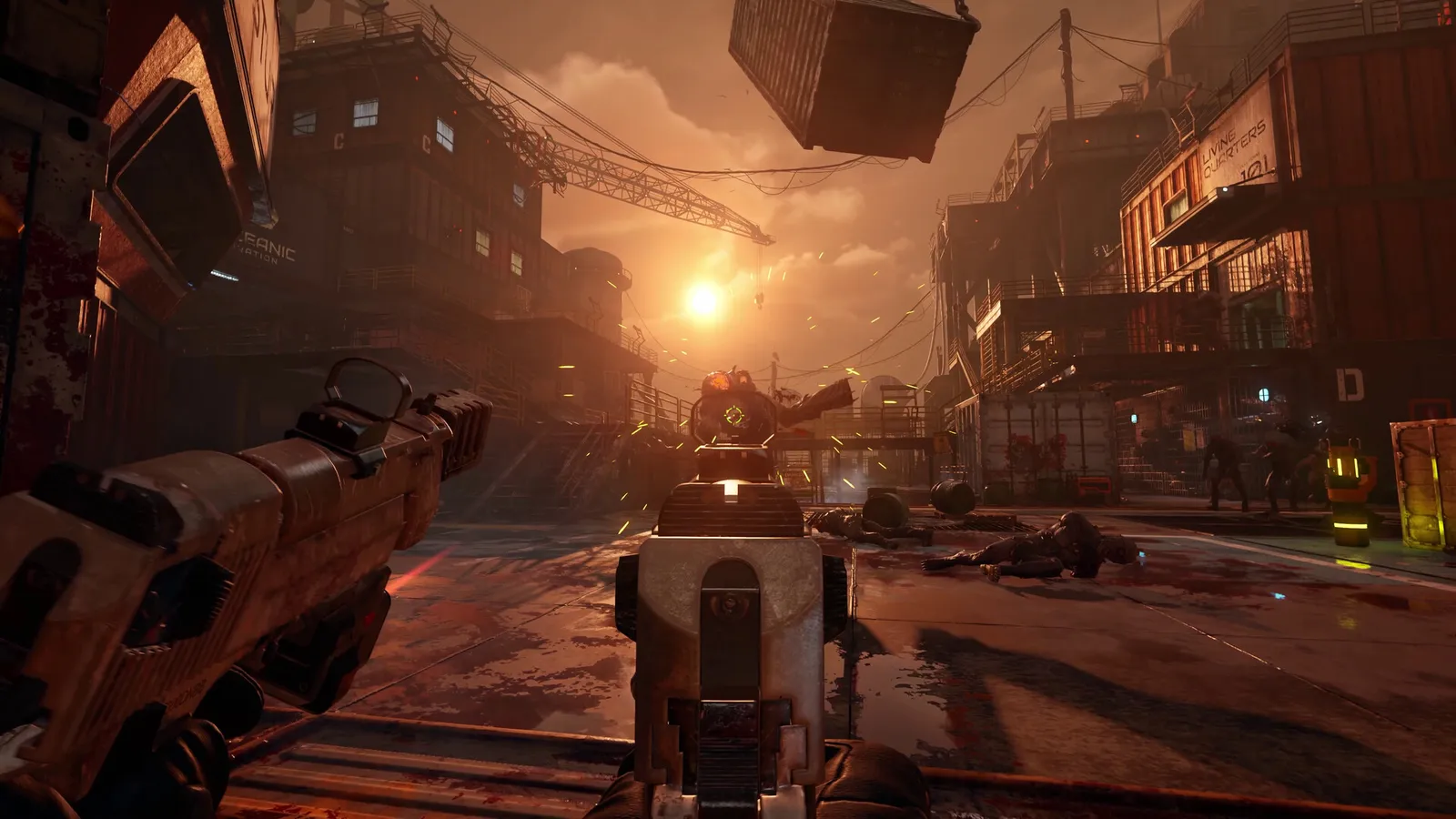
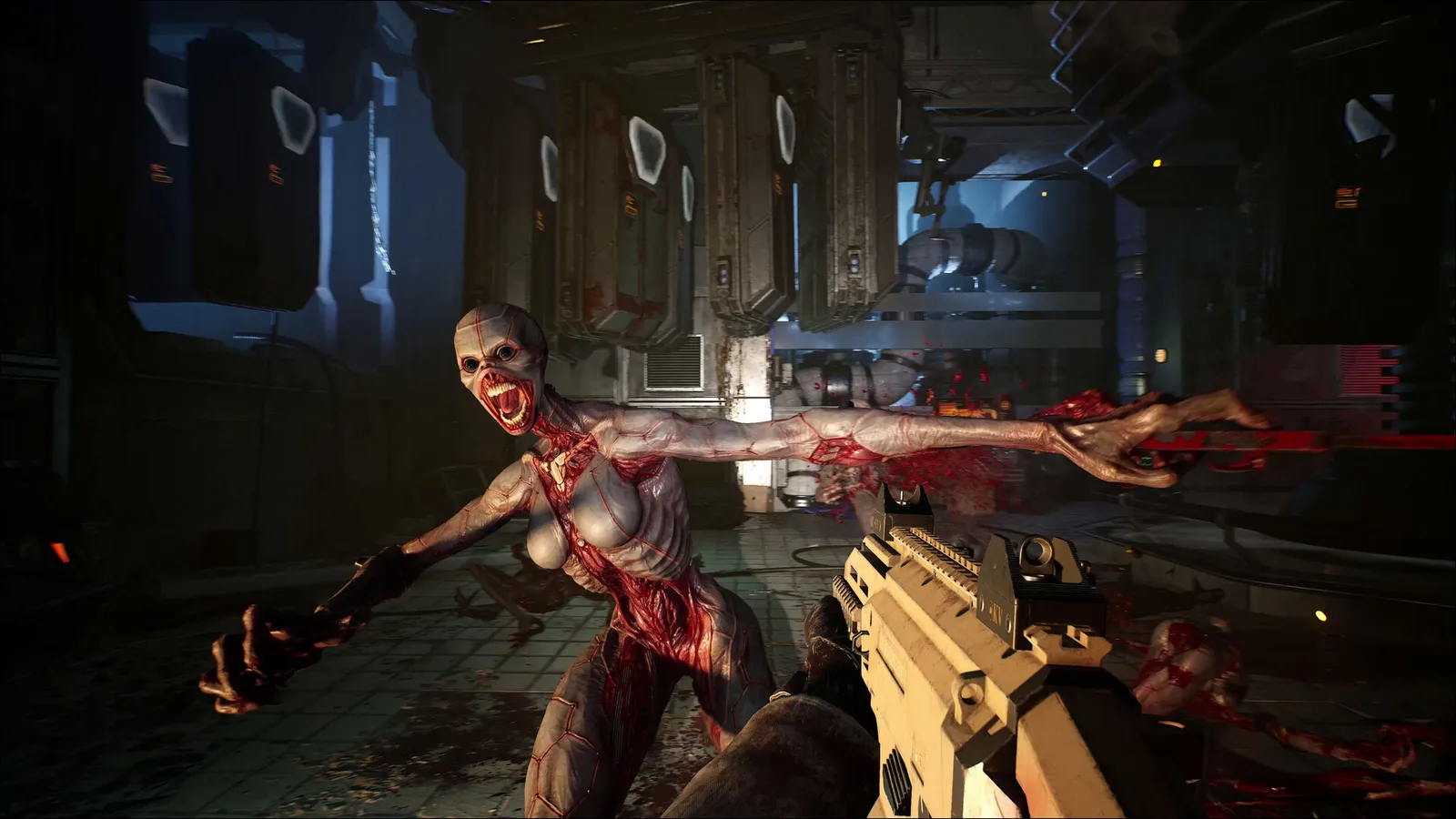
The broader context behind Tripwire problems centers on the reception of its latest flagship shooter. When Killing Floor 3 launched in 2025, expectations ran high following the enduring decade long popularity of Killing Floor 2. Unfortunately for the studio, the third entry failed to capture that lightning twice and quickly settled into mixed player reviews on Steam. Active daily player counts dropped to a fraction of what the previous game maintained during its peak years. The game featured controversial balance adjustments, pacing changes, and technical rough edges that divided the player base from day one. When a marquee live service title underperforms commercially, studios dependent on steady revenue streams inevitably face severe budget reckonings.
Embracer Group Shadow and Corporate Tumult
Tripwire corporate journey over the last four years has been defined by instability and shifting ownership. The company was acquired in 2022 by Embracer Group through its Saber Interactive division, just as Embracer was embarking on an unsustainable shopping spree. Following the collapse of Embracer multi billion dollar investment plans in 2023, massive restructuring hit dozens of affiliated studios. Embracer eventually spun Saber Interactive back out as an independent entity in 2024 for 247 million dollars, yet chose to retain Tripwire under its own corporate umbrella. That retention left Tripwire isolated under a parent group hungry for immediate profitability and aggressive cost cutting across all remaining subsidiaries.
Leadership turnover at the studio also complicated long term stability. Co-founder John Gibson stepped down in 2021 following widespread public controversy over political remarks, passing interim control to co-founder Alan Wilson. In early 2024, former chief financial officer Matthew LoPilato took over the chief executive chair with a mandate to stabilize finances. But balancing publisher ambitions against live service maintenance proved difficult in a cooling games market where venture capital and lavish project budgets have vanished. Without robust microtransaction revenue from Killing Floor 3, sustaining a bloated headcount proved impossible under strict corporate oversight.
Community Skepticism and Industry Reaction
Community reaction across social networks and gaming forums has been overwhelmingly somber and critical. Enthusiasts who spent hundreds of hours in the Killing Floor franchise expressed sympathy for the laid off developers while questioning whether remaining staff can realistically support future roadmaps. Discussion threads on X pointed out the uncomfortable irony of cutting staff while continuing to solicit outside indie studios for publishing deals. Many players openly wonder if Maneater 2 will suffer delays or scope reductions given how few hands remain on deck. When two major studio reductions happen within eight months, player confidence in ongoing content roadmaps naturally plummets.
CriticalPixel Analysis: The Cost of Overextension
Tripwire Interactive situation is an emblem of the mid tier games industry in 2026. For years, mid tier studios survived by delivering reliable cult hits with passionate communities and reasonable budgets. But attempting to mimic triple A live service models without the massive infrastructure required to support them often turns fatal. Tripwire gambled heavily on Killing Floor 3 becoming a long term cash generator, and when players balked, there was no financial safety cushion left to absorb the shock. Pushing into indie publishing right as core development struggled was a desperate search for diversified revenue, but executing that pivot while cutting thirty six builders reveals poor strategic coordination.
If Tripwire intends to survive and regain community trust, management must provide absolute transparency regarding what comes next. Remaining staff cannot be expected to perform crunch heroics to ship Maneater 2 while simultaneously patching Killing Floor 3 and mentoring external indie partners. Clear communication about realistic release timelines and focused scope will do far more to reassure skeptical fans than polished press releases. The talented developers who lost their jobs today deserve proper severance and immediate support, while the broader industry receives yet another stark reminder that runaway expansion without rock solid gameplay fundamentals always carries a steep human cost.
Sources
GamesIndustry.biz report on Tripwire workforce reduction
PC Gamer article on Tripwire cuts and studio headcounts