Ubisoft Closes Winnipeg and Belgrade, 380 Jobs Gone in Its Third Layoff Wave of 2026
By CriticalPixel ·

Ubisoft is shutting down its Winnipeg and Belgrade studios, restructuring its Barcelona team, and trimming headcount at its San Francisco and Montreal offices. Around 380 employees are losing their jobs in what is the company's third significant round of cuts this year. Staff were told on Wednesday in meetings with management. Some found out through press reports before they got the meeting invite - which, for a company this size, is a bleak detail.
The Winnipeg studio handled engine work - not front-facing development, but support for Ubisoft's Anvil and Snowdrop proprietary engines, the backbone that titles like Assassin's Creed Shadows and Avatar: Frontiers of Pandora ran on. Closing a team like that quietly degrades infrastructure capacity. Belgrade was a co-developer that contributed to Ghost Recon Wildlands, The Crew 2, and Skull and Bones, three games with mixed-to-troubled release histories that already signaled Ubisoft was struggling to execute on mid-tier projects.
What Each Closed Studio Actually Built
The specific breakdown, per Insider Gaming and corroborating reports from VGC and Game Developer: Winnipeg had around 65 employees and is fully closed. Belgrade had around 100 employees and is also fully closed. Barcelona survives but is being stripped down to a Rainbow Six-only support team, with around 51 positions cut. The San Francisco studio is losing between 50 and 100 people. Ubisoft Montreal, one of the company's most visible studios and home to the original Assassin's Creed franchise, also saw cuts specifically targeting the Rainbow Six Siege and Rainbow Six Siege Mobile teams.
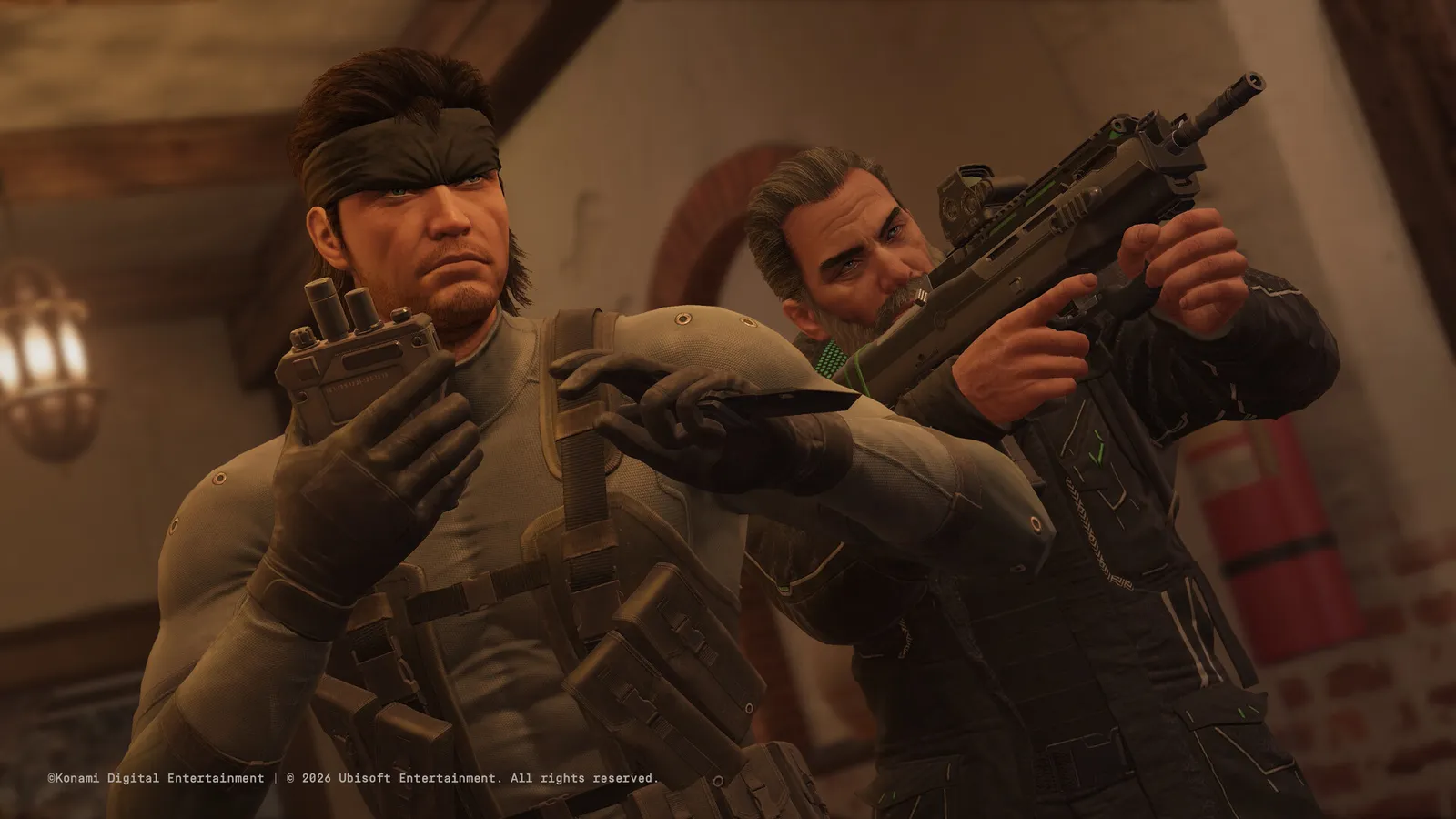
Ubisoft Barcelona being narrowed to Rainbow Six-only work is worth reading carefully. The studio had a broader project remit before this restructuring. Shrinking it to a single franchise operation means Ubisoft is consolidating Rainbow Six into fewer hands while simultaneously cutting people who worked on it. How that math works out for the franchise's output quality and release cadence is not obvious.
Three Rounds, One Calendar Year
This is not Ubisoft's first or second difficult quarter. This is the third wave of cuts in 2026 alone. In March, the company laid off over 100 people at Red Storm Entertainment, the Tom Clancy custodian studio that had already been stripped of its independent game-making capacity. Earlier in the year, Ubisoft closed its Halifax and Stockholm studios - Halifax was working on a project that didn't survive, Stockholm's team had been under pressure for over a year. Headcount reductions also hit Abu Dhabi, Redlynx, and Massive Entertainment in that same period.
The Tencent angle matters here. In October 2025, Ubisoft announced a 1.16 billion euro investment from Tencent that created a new subsidiary called Vantage Studios. Vantage was handed authority over the three biggest franchises: Assassin's Creed, Far Cry, and Rainbow Six. Tencent holds a 25 percent stake in Vantage. The cost-cutting initiative running alongside all these closures is framed as a company-wide reorganization to focus resources on those three properties while shedding everything else.
Community Reaction: Frustrated, Not Surprised
The response online has been uniformly negative. Multiple observers pointed out this is effectively Ubisoft's sixth restructuring event of 2026, which is not a sentence anyone expected to be writing when the year started. One post put it bluntly: record revenue up top, pink slips below. That framing is accurate - Ubisoft's flagship output has continued while the studios doing support and co-development work absorb the cuts.
People who worked at the closed studios have started posting on social media, signing off from roles they held for years. For anyone who has watched the games industry through the past two years of layoffs across EA, Microsoft, Sony's London Studio closure, and repeated Ubisoft cuts, nothing here is surprising. That doesn't make it easier to watch.
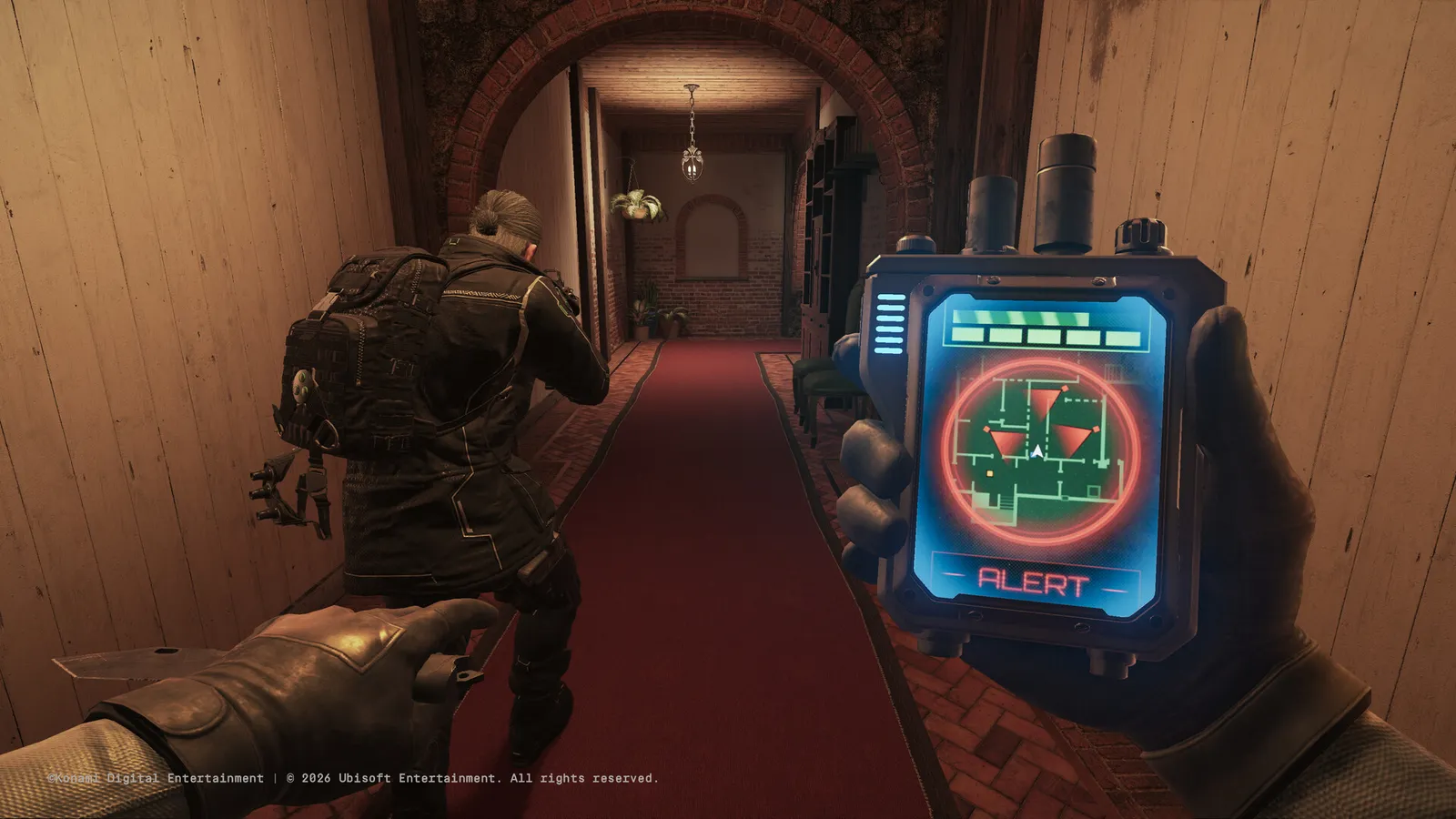
What This Means for Ubisoft's Active Projects
The immediate impact on upcoming projects is unclear, but cuts to the Snowdrop and Anvil engine teams carry real long-term risk. Engine support is the kind of work that doesn't appear in a press release but does show up six months later when things break in development. Closing Winnipeg doesn't just remove 65 jobs - it removes institutional knowledge about the internal tools that Ubisoft's biggest games depend on.
The Rainbow Six Siege Mobile cuts are a specific concern. Siege Mobile has been in development for years, and losing team members now suggests the project may be further from launch than anyone has said publicly. Siege itself has been Ubisoft's most stable live service product, which makes the Montreal cuts on that team odd - reducing maintenance staff on a game people still actively play is a strange way to protect its value.
Ubisoft has not announced what happens to projects that were in active development at the closed studios. Some of that work gets absorbed by other teams. Some of it quietly disappears.
Where Ubisoft Goes From Here
Ubisoft is concentrating down to three franchises with a Tencent-backed subsidiary at the center. Everything outside of Assassin's Creed, Far Cry, and Rainbow Six is either on borrowed time or already gone. The company is betting that a leaner, franchise-focused operation can outperform the sprawling multi-studio model it built over the past decade. That's a defensible strategy - it's what several publishers have done when financials get tight.
Whether the 380 people losing jobs in this wave, or the hundreds before them this year, land somewhere in a market that has been shedding jobs since 2023 is a separate question - and the harder one to sit with. The games industry has a shorter memory for layoffs than the people who live through them.