Ubisoft Turns Its Teammates AI Team Into Motherbrain, a Subsidiary Chasing NPCs With Memory
By CriticalPixel ·
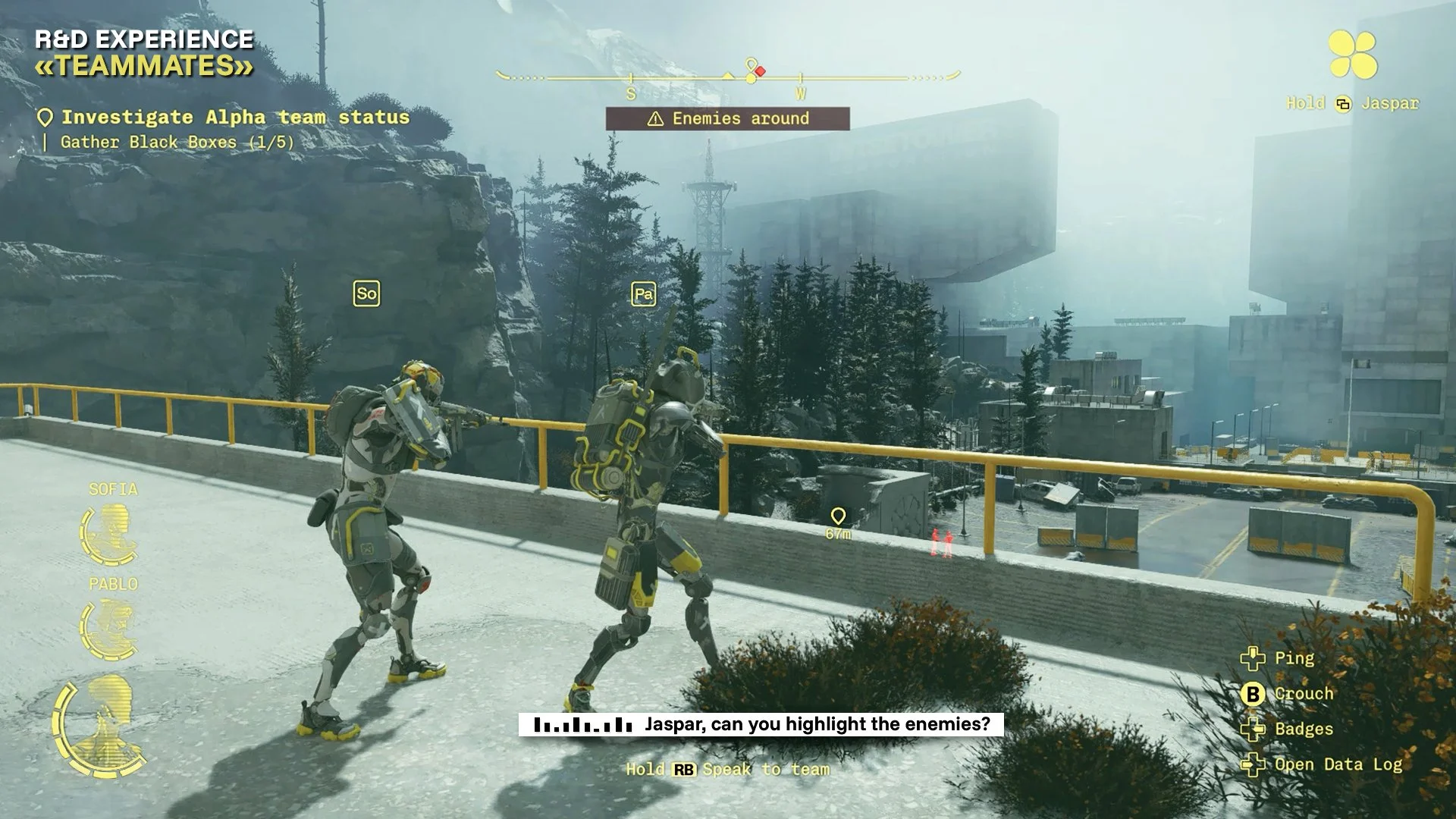
Ubisoft spent two years telling investors that generative AI would reshape how its games get made. This week it stopped arguing and filed the paperwork. The company's first half earnings report confirms that the team behind Teammates, its playable AI research project, now operates as a standalone subsidiary called Motherbrain. The unit's stated job is to build AI for gameplay and hand it to every studio under the Ubisoft roof, from the people shipping Assassin's Creed to whoever is still pretending to work on a new Rayman. That is an ambitious bet from a publisher that cut 166 jobs in Montreal and Quebec City days before the report landed.
PC Gamer read the filing closely and the mandate is broad. Motherbrain exists to develop AI for gameplay innovation, supporting all game creators in developing groundbreaking experiences. Its current focus is new player experiences, smart NPCs with memory, and AI game masters that manage large scale systemic worlds. There is no product, no release date, and no named game attached to any of it. Ubisoft is selling a capability rather than a title, which is either how you build a platform business or how you write a press release when you have nothing playable to show.
What Motherbrain is actually building
VGC has the cleanest read on the corporate mechanics. Motherbrain is part of the new operating model Ubisoft began rolling out in January, the same reset that cancelled six games and split the publisher into genre based creative houses. Co-founder and CEO Yves Guillemot described the subsidiary as the team behind our first playable generative AI experience Teammates, now developing proprietary technologies for gameplay to empower creators. That word proprietary is doing the heavy lifting. Ubisoft wants to own the stack instead of licensing somebody else's model and paying rent on it forever. Whether another publisher ever writes a cheque for the tech is the open question, and Ubisoft has not answered it.
Strip away the language and you get three deliverables. Characters that remember what a player did twenty hours ago. Systems that can run a world without a designer hand placing every encounter. Tools that let a smaller team produce content that used to need a hundred people. Only the first one is close to a product, and it is also the one with the most obvious failure mode, because a companion who forgets the promise they made in the last mission is worse than a companion with no memory at all.
Teammates was the proof of concept
The Teammates experiment shipped in November 2025 and it was not a chatbot demo. According to Ubisoft Newsroom, it is a short playable first person shooter level set in a dystopian future, where you push through an enemy base to recover five missing resistance members. You fight alongside two AI driven squadmates, Pablo and Sofia, and take direction from an in game assistant named Jaspar. Jaspar can highlight targets, explain lore, change settings, and pause the game on a spoken command. It builds directly on the Neo NPC experiment Ubisoft showed at GDC 2024, which is the lineage the company keeps pointing at when people ask what any of this is for.
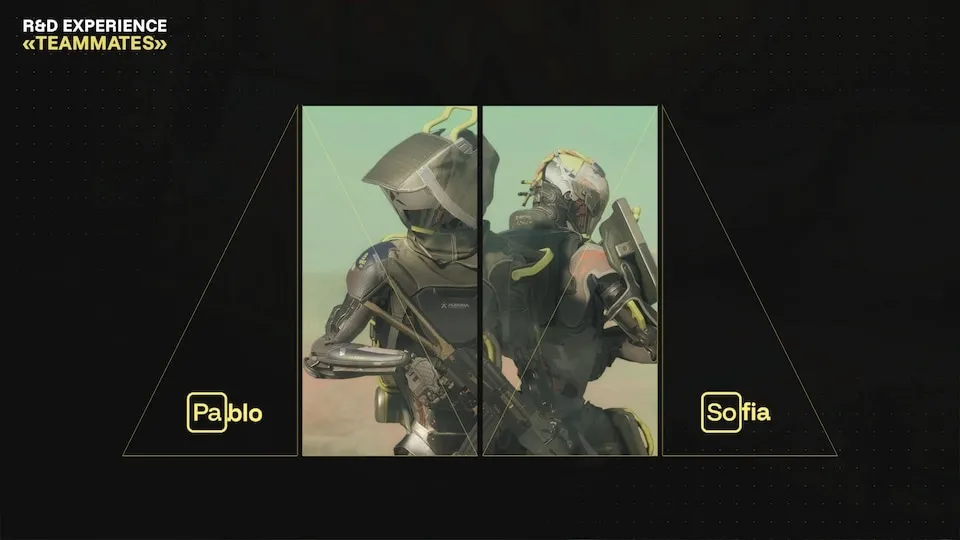
The people behind it were never a skunkworks side project. When Teammates was revealed, Ubisoft named director of gameplay generative AI Xavier Manzanares, narrative director Virginie Mosser, and data and AI director Remi Labory as the public faces of the work. Turning that group into a subsidiary gives them a budget line, a brand, and a mandate that reaches across every studio. It also gives Ubisoft a clean way to talk about AI without tying the technology to a specific game that might miss its date and drag the whole pitch down with it.
The timing is the part people will remember
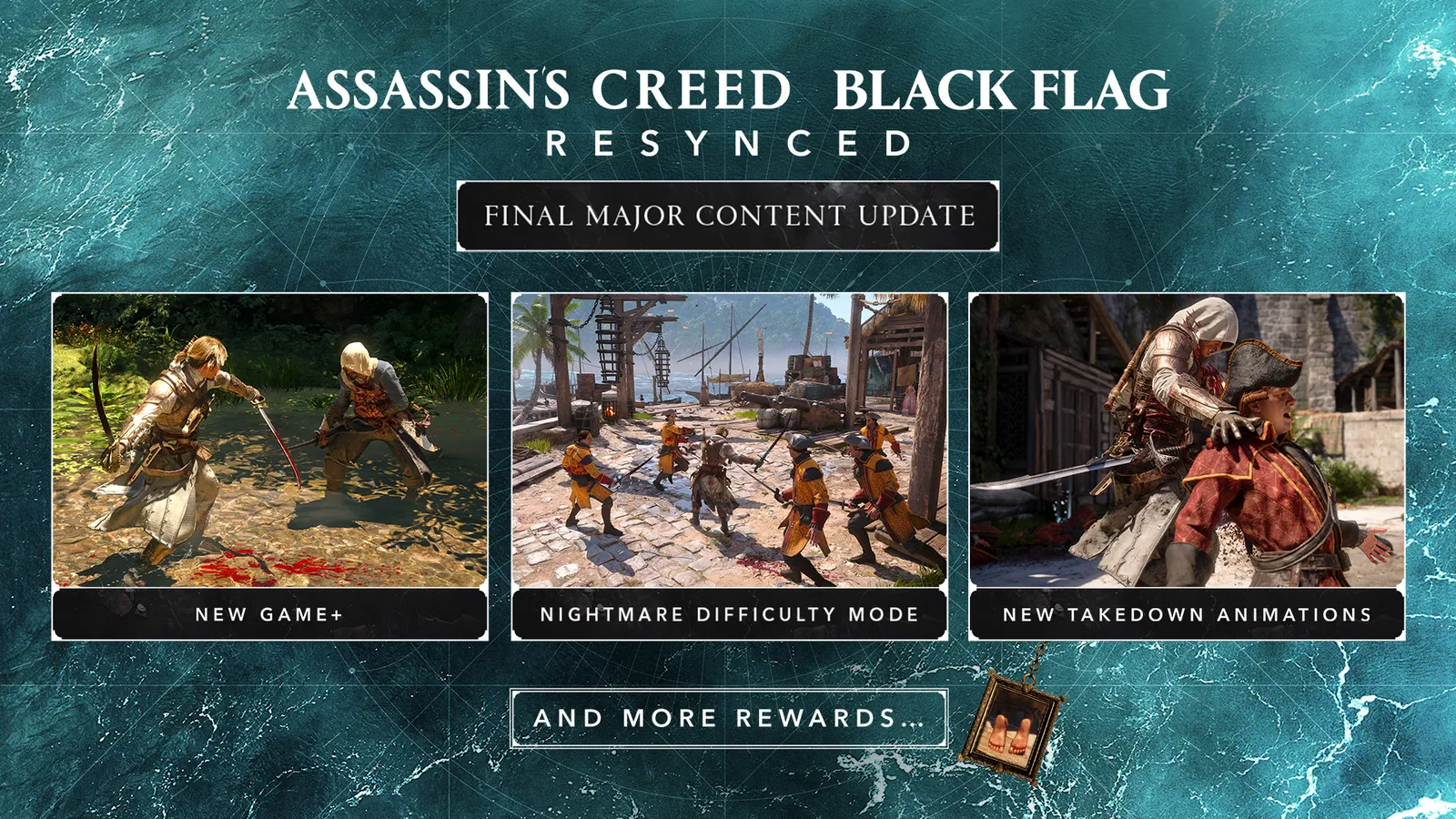
Days before the earnings report, Ubisoft confirmed 166 layoffs across its Montreal and Quebec City studios. Earlier in the year the same reset cancelled six projects, including the Prince of Persia Sands of Time Remake, and closed two studios. Assassin's Creed Black Flag Resynced outperformed expectations and the cuts happened anyway, which tells you how little a single hit buys you now. So the AI team gets its own company while the people who build the games walk out the door with a severance letter. You do not need to be cynical to read that as a statement about where Ubisoft thinks the value sits.
Ubisoft Press Center lists the results as published on November 19, which puts Motherbrain on the record days after the layoffs became public and roughly two months after the name surfaced through a trademark filing. None of this was improvised. Somebody built a slide deck, registered a mark, and picked a week. The sequencing was a choice, and it is the kind of choice that a communications team can defend in a boardroom and cannot defend on a timeline.
How the reaction is landing
Community reaction is thin so far, and that tracks for a corporate filing with no trailer attached. Most of the chatter on X is straight news relay in Portuguese, Spanish, Arabic, Thai, and a handful of Balkan outlets, with almost nobody arguing about the tech itself. The sharpest post I found came from a Portuguese account that put the layoffs and the new subsidiary in the same sentence, and that framing is doing all the work. Nobody is furious about NPCs that remember you. People are furious about who gets paid to build them and who gets shown the door. For scale, PC Gamer points to a GDC survey where roughly 40 percent of developers use generative AI and more than half say its impact on the industry has been negative.
That gap between developer sentiment and executive enthusiasm is the real story under the announcement. The people who would have to use Motherbrain's tools are, by a majority in the survey PC Gamer cites, skeptical that the technology improves anything. A subsidiary cannot vote on that. It can only ship something good enough to change minds, and Ubisoft has not shown a frame of it.
The CriticalPixel take
Ubisoft's problem has never been a shortage of technology. It is a shortage of shipped games that people want to play. A subsidiary cannot fix a pipeline that cancelled six projects in a year, and an AI game master is not going to rescue a release calendar held together with tape and a delayed remake. That said, smart NPCs with memory is the most defensible AI target on the table. It is a genuine design problem, it is expensive to solve well, and it produces something a player can feel within five minutes. It is a better use of the tech than another art pipeline shortcut that quietly embarrasses the artists who have to clean up after it.
The messaging is where this falls apart. Announcing Motherbrain a week after 166 people lost their jobs is the kind of own goal that writes its own headlines and hands every critic a free opening paragraph. Ubisoft could have buried the subsidiary in a footnote and let the tech speak in 2027. Instead it led with a name that sounds like a villain's server farm and a promise about NPCs with feelings. If the work is good, the rollout will look clumsy in hindsight. If the work is not good, this is the week people point to when they explain what went wrong.
What to watch
Watch whether Motherbrain tech turns up in a shipped Ubisoft game before the end of 2027, and whether the subsidiary signs anyone outside the company. Watch how the memory pitch survives a live service game where every patch can break a companion's recollection of the last two years. Watch the headcount language, because supporting all game creators is either a real shared service or a polite way to centralize hires under one roof while the studios shrink. And watch the earnings calls, where a subsidiary with no revenue is the easiest line item to quietly stop mentioning.
For now Motherbrain is a name, a team, and a promise about characters who remember what you did ten hours ago. Ubisoft has a year or two to prove it is more than a slide in an earnings deck. Given the state of the release calendar and the mood inside the studios, that is the only benchmark that matters.
Sources
PC Gamer: Ubisoft establishes AI subsidiary called Motherbrain
VGC: Ubisoft has founded a studio dedicated to generative AI in games
Ubisoft Press Center: first half 2026-27 earnings release listing
Ubisoft Newsroom: Ubisoft Reveals Teammates, an AI experiment