Unity Renders a Fantasy Kingdom Game Inside Unreal Engine, and Tim Sweeney Says Connect ALL the Engines
By CriticalPixel ·
Unity just ran a Unity-built game inside Unreal Engine on a keynote stage, and Epic CEO Tim Sweeney immediately fired off a four-word reaction on X. Connect ALL the engines, he wrote, capital letters and all, the kind of post that lands 96 million impressions before the conference livestream has even cooled. The demo happened on July 21 at Unite Seoul, the same keynote where Unity formally took the wraps off Unity 7, the next major version of the engine that is supposed to keep the lights on for every indie hit and most of the world's mobile games for the next few years.
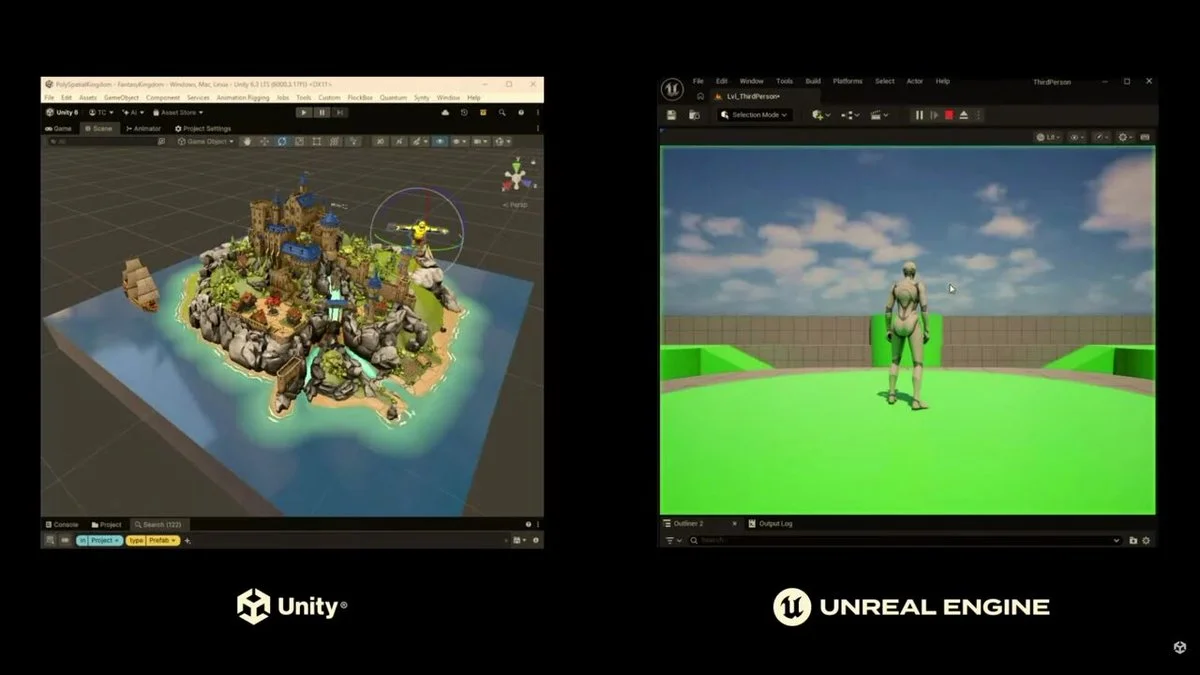
On stage, Unity senior director of technical product management James Stone launched the demo with a simple promise. You will see, for the first time, a Unity game rendering natively inside Unreal Engine, he said. Now this is not live in Fortnite yet, but it shows what is possible for a shared foundation. The Unity team then fired up Fantasy Kingdom, a stylized sample environment that has lived in Unity's demo catalog since the Unity 6 era, and watched it stream into an Unreal Engine viewport in real time. The headline beat was an Unreal character walking through a Unity world, with physics, lighting, and input all synchronized between the two engines at the same time, no video trickery, no streaming, no smoke and mirrors.
What the demo actually showed
Side by side, the Unite Seoul screens displayed the Unity Editor on the left and Unreal Engine on the right, with the same Fantasy Kingdom scene rendering in both. Synchronization went deeper than the camera. Stone called out the live physics, the live lighting, and the live input layer, and he called out the Unreal character walking through a Unity world as a single moment that proves the bridge holds in both directions. A developer could in theory prototype a level in Unity, drop a Unreal-only asset pack into the same scene, and see the two systems agree on where the floor is. The full Unreal character running through a Unity world is the part that makes it more than a tech demo, because it removes the usual engine-bridge compromise where one side is treated as the master.

Why this is a 2027 story, not a today story
Unity was careful to set expectations. The cross-engine pipeline is not in Fortnite yet, and the company is not pretending it is. What was on stage in Seoul is a working technical prototype and a public statement of intent. Unity's official account said on X that the new Fortnite integration will be available in early access in 2027, and that Unity 7 will enter early beta in December 2026 with a full release scheduled for Q1 2027. The cross-engine bridge is the headline feature; the engine version carrying it is still a few months from beta. That is a long runway for an industry to plan around, and a short runway for an Unreal Engine 5.7 release to make the case for staying put.
The bones of the partnership have been public since November 2025, when Unity and Epic jointly announced a multi-pronged deal to let Unity-built games publish inside Fortnite, to bring Unreal Engine support to Unity's cross-platform commerce tools, and to push toward an open, interoperable future of video games. The Wario64 coverage of that November announcement still circulates as a reference point, but the Seoul keynote is the first time either side showed a real running game in motion, and the first time the bridge was tested the other way, with an Unreal character rendering inside a Unity world. That inversion is what got the room loud.
What Unity 7 actually brings to the table
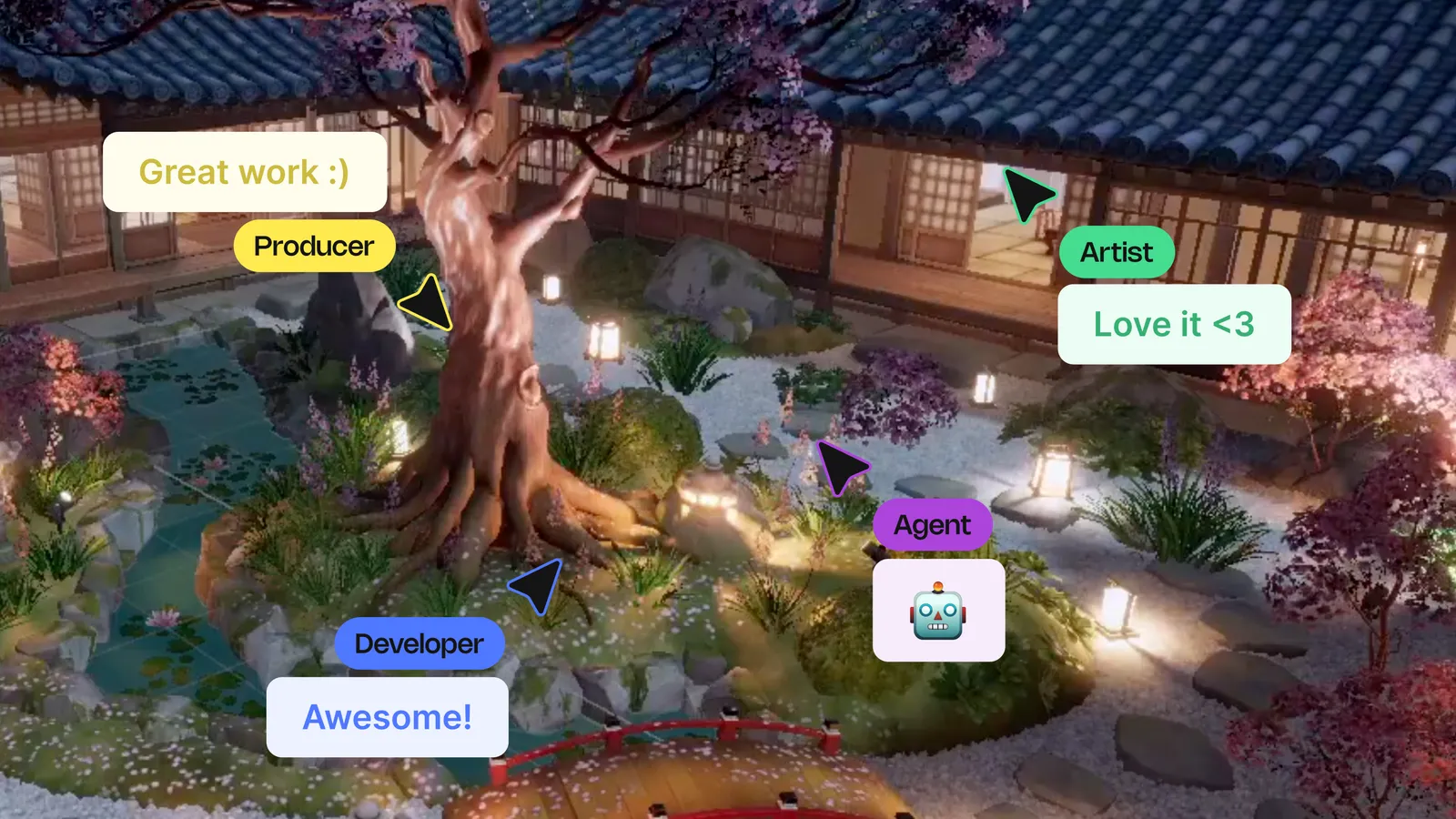
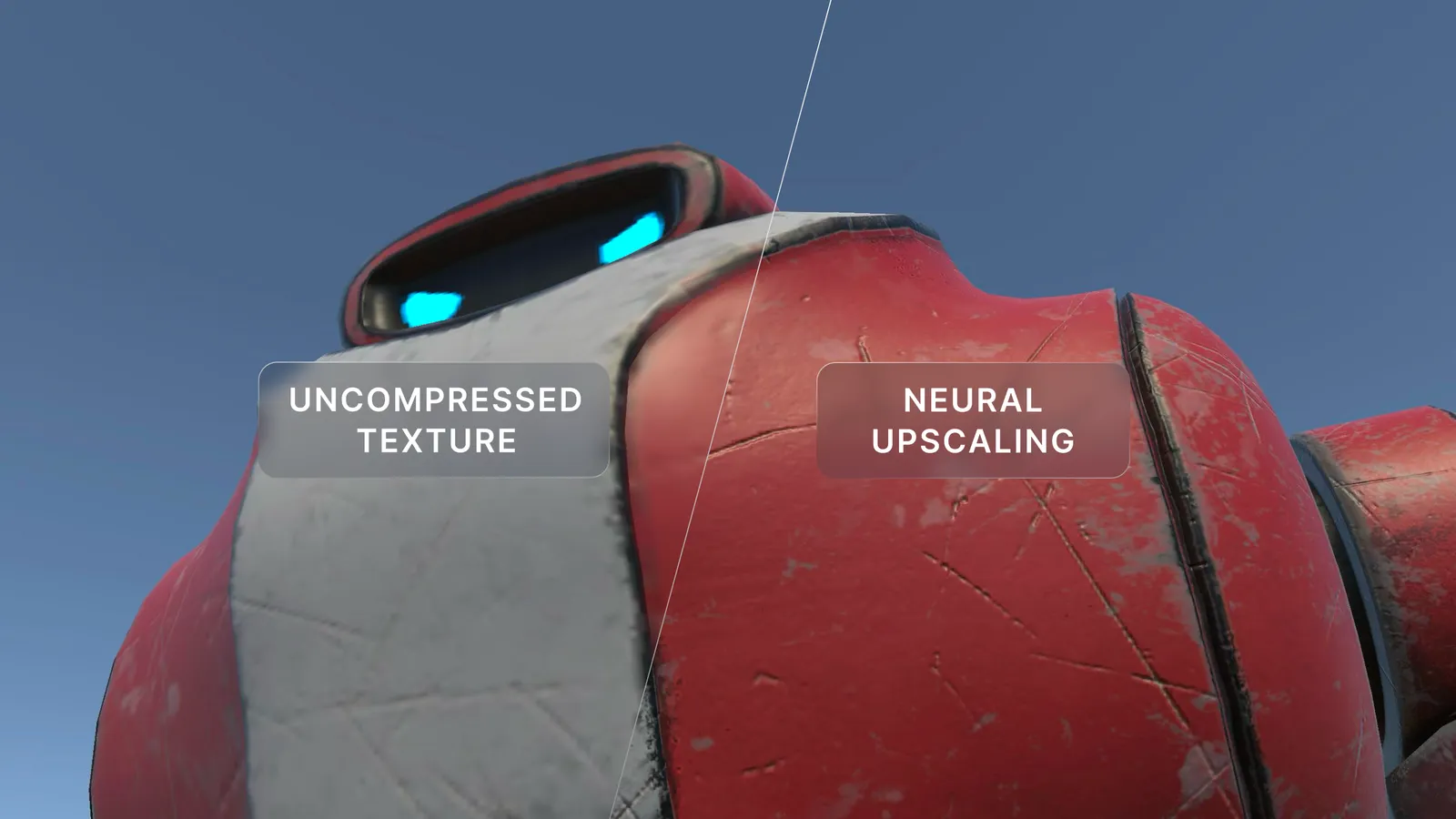
The cross-engine demo is the loudest beat, but Unity 7 has a normal engine release worth paying attention to. CoreCLR accelerates the development cycle from script compile to runtime. The renderer now ships a single pipeline with neural upscaling so phones and high-end PCs can share assets. Collaboration tools are open to coding agents, not just people, which Unity is openly marketing as the future of multi-discipline teams. The Monetization stack bakes in Vector, direct-to-consumer commerce, no-code webshops, and unified catalogs as first-class features. The full feature list is on the Unity 7 release page and is honestly denser than the typical annual Unity bump, with a heavier lean toward cross-platform shipping, mobile, and live-service-friendly tooling.
Unity 6.3 LTS shipped first to keep studios on the current line, and the Unity 7 early beta in December will be the first chance to test CoreCLR, the unified renderer, and the agent-friendly collaboration surface in one package. Unity is not signaling that Unity 6 users need to panic, but the gap between 6.3 LTS support and Unity 7 production is shrinking, and the cross-engine rendering target is going to make 6.3 feel a lot older than its release date once December hits.
How the community is reacting
The reaction was wide and mostly positive, with the usual engine-war die-hards hedging. Unity's own @unitygames account is treating the Seoul demo as the centerpiece of a 2027 story and pushing the Unity 7 page as the canonical source. The Unity @unity account followed up with a live code iteration teaser that lets developers change gameplay code and see the result live in a development build, with 600 likes and 61 million views, which is a useful reminder that live iteration is still a real differentiator for Unity. Tim Sweeney's 'Connect ALL the engines' post cleared 1 million likes and pulled in 96 million impressions in roughly 18 hours, a level of engagement that lands when the platform-holders themselves signal a structural shift rather than a feature flag.
Smaller creators and studios have been the more measured voices. Several coverage accounts treated the demo as confirmation of what the November 2025 partnership suggested, and a handful of mobile developers have openly wondered whether Unity's new bet on cross-platform commerce and the agent-friendly collaboration surface means Unity 6 studios will see more aggressive migration nudges once Unity 7 hits beta. There is no clear negative consensus so far. Reaction is mostly positive, with the standard engine-fan base that always wants Unreal to win, and the standard engine-fan base that always wants Unity to win, both posting in their respective lanes. Fewer than three fully independent negative takes made it through the noise, so the actual critique will land closer to the Unity 7 beta in December.
The CriticalPixel take
Treat this as the bridge year, not the bridge launch. A real Unity game rendering natively inside Unreal Engine on a keynote stage is a milestone worth flagging, and the fact that the demo also shows an Unreal character walking through a Unity world proves Epic is serious about bidirectional flow, not a one-way acquisition funnel into Fortnite. The 2027 early access target is the timeline that matters. Between now and then, Unity 7 is going to live or die on CoreCLR, the unified renderer, and whether the agent-friendly collaboration tools actually save a studio time in production.
The cynical read is that this is a defensive move by both companies to keep the engines relevant as Godot keeps stealing mindshare and as AI tooling starts eating into the middle of the engine market. The honest read is that an open, interoperable future for video games is the only future that survives the next decade of platform consolidation, and Unity and Epic are the two companies that have the install base to actually push that future. The full Unreal character running through a Unity world is a working visual metaphor for the entire pitch, and it is going to be the clip that gets shown in every engine pitch deck for the next twelve months. Watch the December beta. That is when the real benchmark lands.