Valorant Player Says a Secondhand CPU Came With Someone Else's Ban, and Riot's Anticheat Chief Pushes Back
By CriticalPixel ·

A German Valorant player says they bought a used Ryzen 7 5800X3D, dropped it into their rig, and got banned the moment they logged in, because the previous owner had been caught cheating. If that sounds like a nightmare, it would be, and the story spread across social media on October 2 until Riot's head of anticheat stepped in to say it is pretty unlikely. PC Gamer picked it up on October 3 with both sides on the record, and the picture that comes out sits somewhere in the middle. Hardware bans exist and used parts can carry baggage, but the most alarming claims in the Reddit post are the ones Riot flatly denies. Here is what is actually known, and what nobody outside Riot and one anonymous buyer can check.
What the Reddit post claims
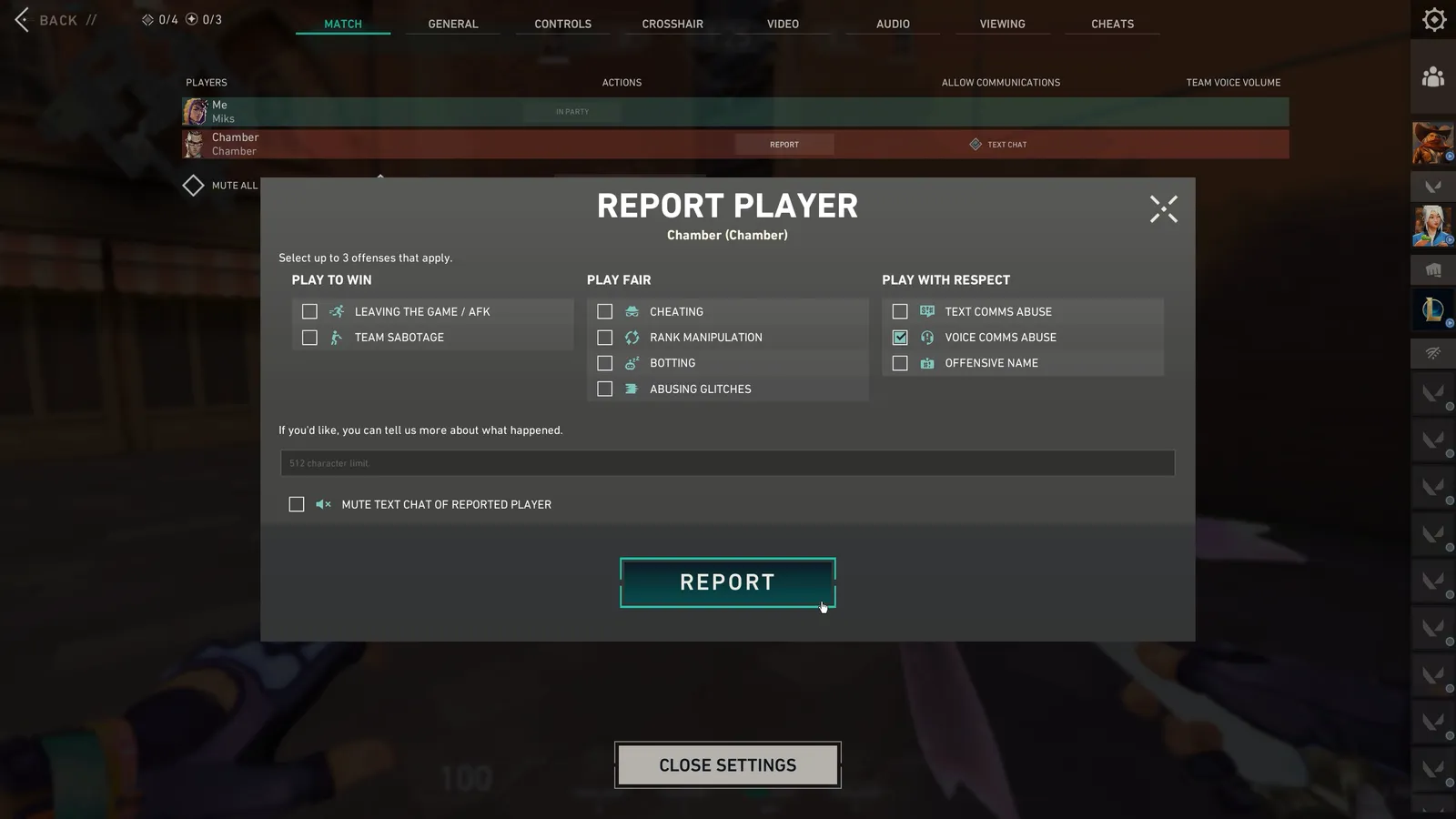
The original post came from a user going by After-Cartoonist-196 on the German-language PCBaumeister subreddit. They say they bought the CPU on September 21, and that the original owner's ban was logged on August 12. According to PCWorld, which chronicled the post first, Riot support told the player nothing would be done to lift the ban. The same account says the player's other components, including the motherboard and storage, were also blacklisted in Vanguard, Riot's kernel-level anticheat. That second detail is the scary one, because it would mean one cheater's CPU could poison an entire PC, and every part you later swapped in could be marked too. It is also the detail Riot disputes hardest.
How Riot answered
Phillip Koskinas, Riot's head of anticheat, replied on X on October 2 after a user asked whether there was any truth in the post at all. He said he could not find the ticket and called the story pretty unlikely. His rebuttal had three parts: Riot hardware bans last four months at most, they are game-specific, and support tells you the time remaining on the ban when you write in. He added that Riot does not put everything else onto the denylist when it matches one component. PC Gamer reports he repeated the denial that a system's other hardware gets blacklisted in two separate posts.
Notice what that denial leaves standing. Koskinas did not say a secondhand part can never carry a ban. He said the ban is capped, scoped to one game, and should come with a clear timer. If the ban really began on August 12, a four-month cap runs out in mid-December, as PC Gamer points out, which would still leave the buyer locked out of Valorant for nearly three months after the purchase date. That is a long time to be punished for someone else's aimbot. PC Gamer's own theory is that a shoddy support reply caused the miscommunication, and that is plausible for a company with many divisions and outside contractors.
Why hardware bans keep happening
PCWorld explains that modern anticheat tags more than your account or IP address. With kernel-level access, software can in theory identify the CPU, graphics card, motherboard, SSD, network adapter, the operating system license, or any combination of them. The piece cites Heise.de reporting that Vanguard only runs with Secure Boot and a TPM enabled, which is part of why Valorant and similar games still do not run on Linux or SteamOS. What each anticheat actually checks is not public, and PCWorld says it asked Riot, Valve and Epic which hardware can be flagged, how buyers can avoid blacklisted parts, and what recourse an innocent buyer has. None of them responded before publication.
To be fair to everyone involved, PCWorld stresses this is an exceedingly rare problem. You would need to buy a part secondhand from a cheater who plays the same game, or one on the same anticheat, and who got flagged. But PCWorld also notes PC hardware is more expensive than it has ever been, the used market is thriving, and the number of false positives has probably gone up even if the percentage has not. There is also no real way to check whether a part was flagged before you buy it unless the seller tells you.
The enforcement machine around it
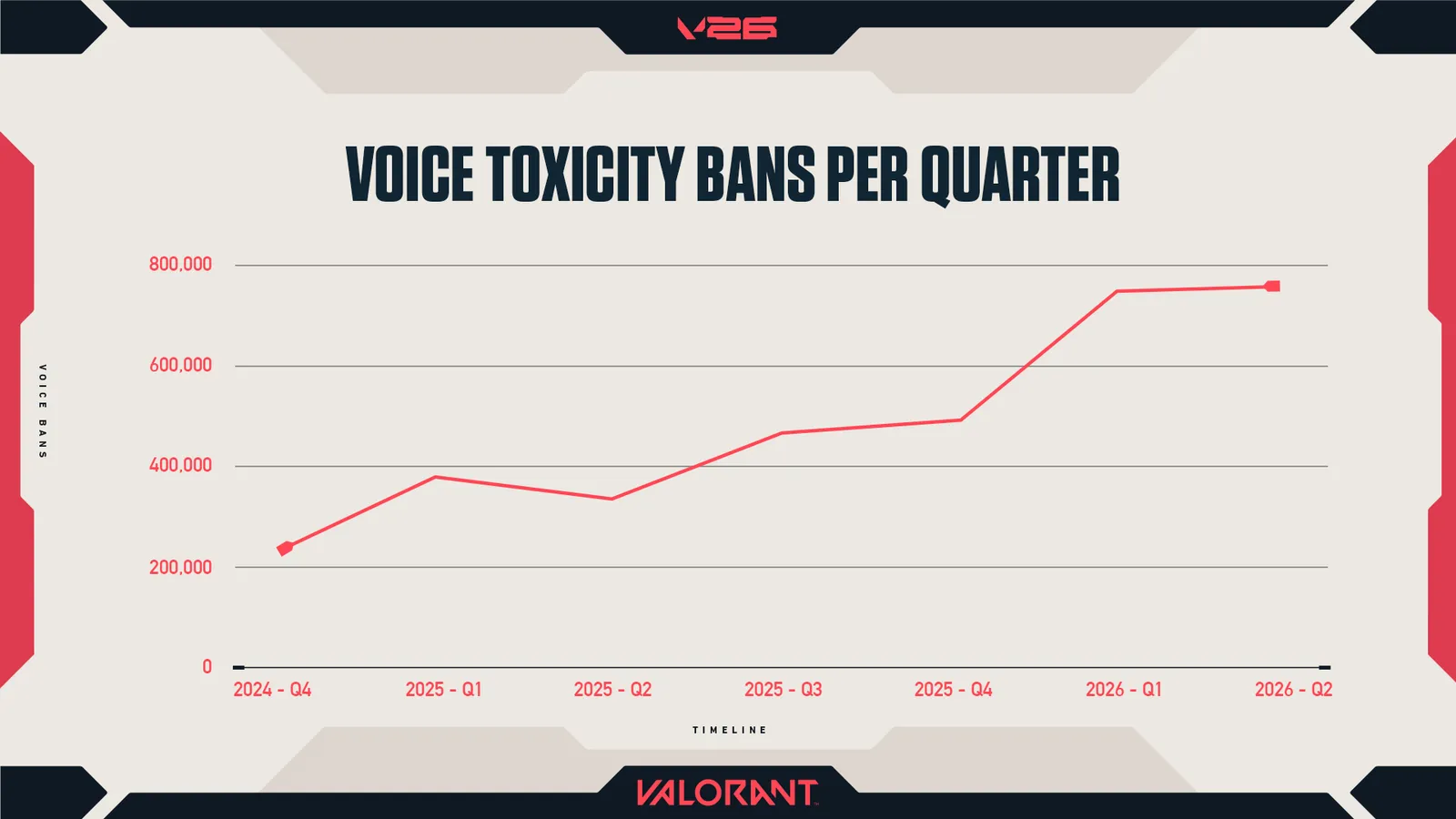
Riot's own messaging shows how hard it leans on enforcement. Its September 22 Playing with Respect post, published alongside Patch 13.06, lays out the Riot Games Community Pact: Play to Win, Play Fair, Play with Respect. That post is mainly about voice abuse, where Riot says upgrades to Riot Voice Evaluation helped it detect and penalize twice as many instances, and it points to updated anti-boosting tech from the anticheat team. The chart above shows voice toxicity bans per quarter climbing from late 2024 into the second quarter of 2026. None of that is about hardware bans, but it shows the scale of a system that issues a huge number of penalties, and a system that large will produce edge cases and tickets nobody can find.
Community reaction
Reaction so far is limited, so there is no consensus to report. Under Koskinas's reply, the visible responses were a request for confirmation, relief that the story looked overblown, and a parent joking that they would show the original screenshot to their kid as a warning. A reader-added context note on the viral post that started it now repeats Koskinas's points about the four-month cap. Nobody independent has yet produced a ticket, a ban notice or a screenshot of the support exchange, which means the central claim remains unverified.
The CriticalPixel take
Riot's policy on paper is decent. A four-month cap, a game-specific scope and a support team required to quote the remaining duration is a lot kinder than the permanent hardware blacklist the Reddit post described. But a policy is only as good as the ticket queue that applies it, and right now Riot cannot find the ticket, the buyer cannot prove what support told them, and everyone else is guessing. That is a bad spot for a company that asks millions of players to hand kernel-level access to its anticheat. If Riot wants players to trust Vanguard, it should publish a plain-language page that says what hardware gets tagged, how long a tag lasts, and how an innocent buyer appeals, and it should show the remaining ban time on the account page instead of making people write in.
Until someone shows the receipts, treat the blacklisted motherboard and storage claim as unproven and the inherited CPU ban as plausible but unconfirmed. If you shop for secondhand parts, ask the seller whether they play Valorant or any game with kernel-level anticheat and whether they have ever been banned, and keep the listing and receipt. If you get banned right after an install, contact support immediately and ask for the remaining ban duration, which Koskinas says Riot support provides. The used market is the only way a lot of people can afford a rig right now, and nobody should lose their ranked account because a stranger could not stop cheating.
Sources
PC Gamer: Valorant player claims to have inherited hardware ban through secondhand CPU
PCWorld: Your used CPU might come with someone else's Valorant ban
Phillip Koskinas (@deteccphilippe) on X: Riot hardware bans last four months at most