Valve Confirms Steam Machine and Steam Frame Ship This Summer
By CriticalPixel ·
Valve Finally Confirms the Summer Window
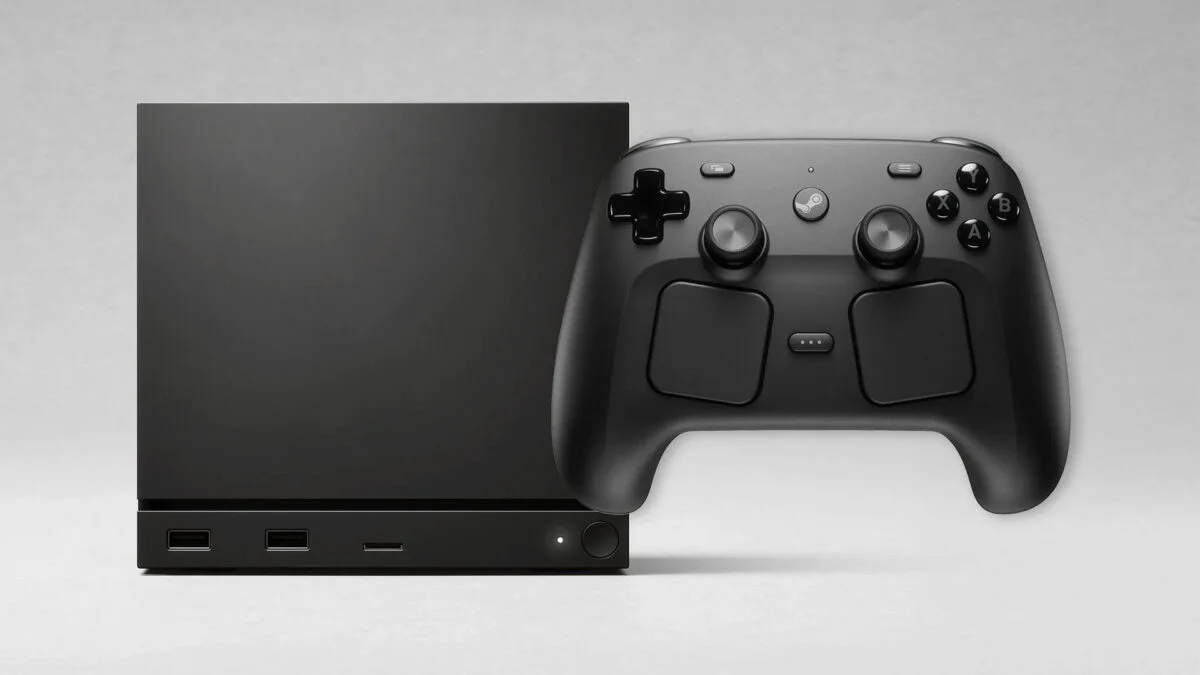
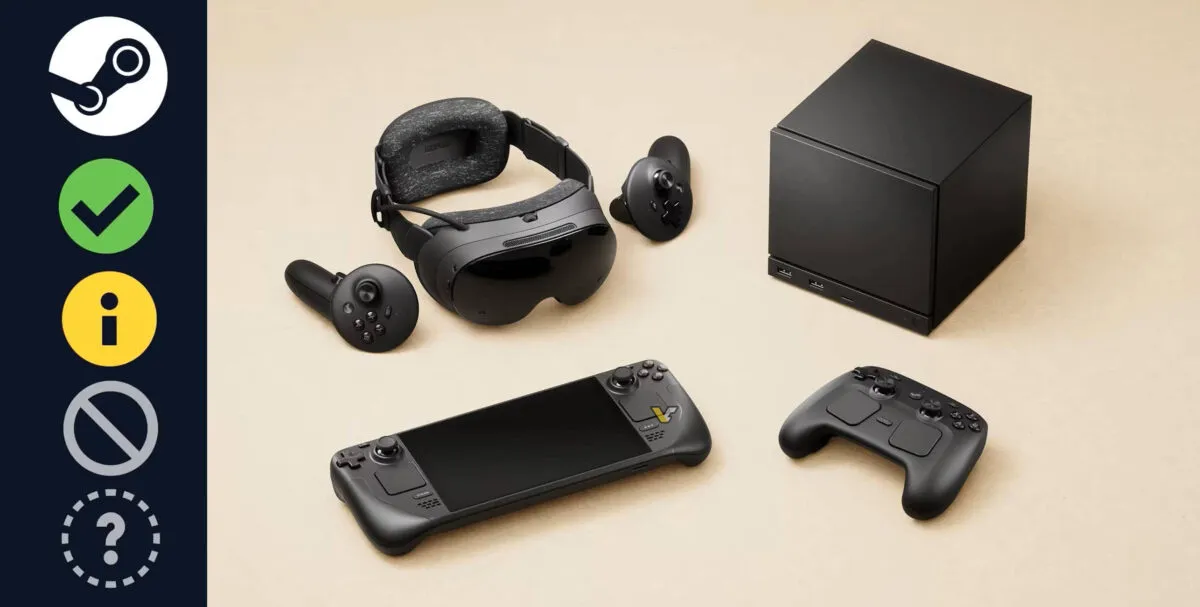
Valve just dropped a Steamworks announcement confirming that both the Steam Machine and the Steam Frame are shipping this summer. This is the first concrete launch window we have gotten for either device. The company had previously acknowledged that memory and storage shortages were impacting its 2026 hardware timeline, so a summer commitment is a meaningful update. The announcement came via the Steamworks developer portal, where Valve also revealed that the Verified program is expanding beyond the Steam Deck to cover both new devices.
What the Steam Machine Actually Is
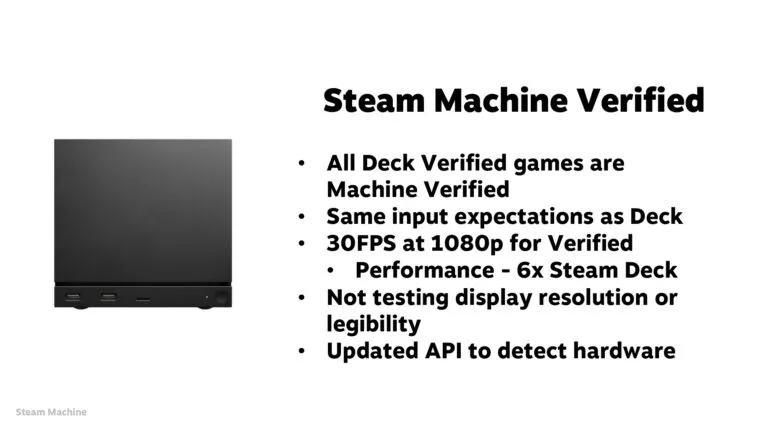
The Steam Machine is a living room PC running SteamOS, built around a semi-custom AMD Zen 4 CPU and RDNA 3 graphics with 28 Compute Units. Valve describes it as roughly six times as powerful as the Steam Deck, which puts it in a completely different performance tier. The software stack is identical to Deck: SteamOS, the Steam interface, and Proton for Windows game compatibility. Valve has already confirmed two storage tiers at 512GB and 2TB, and reservation code references suggest there may be a bundle option with the Steam Controller. If your game runs well on Deck, it will run well on Machine with zero extra work from developers.
That last point matters more than people realize. Valve is reusing the entire Deck verification infrastructure for Machine, which means tens of thousands of titles already have compatibility data. Games that previously failed Deck verification because of CPU or GPU limitations are being retested on Machine hardware automatically. Developers do not have to submit anything new. Valve is handling it on their end, which removes the usual friction of launching on new hardware.
Steam Frame Enters the VR Arena
The Steam Frame is Valve's standalone VR headset with local playback and wireless PC streaming. It runs SteamOS natively, so games can be played entirely on the headset without being tethered to anything. The Verified criteria for Frame focus on the out-of-box standalone experience: default graphics performance, text and UI legibility on the built-in display, and controller configuration compatibility. Valve is applying the same test standards to both VR and non-VR titles on Frame, which is a sensible approach for a device that needs to justify its existence against the Meta Quest ecosystem.
The Price Question Nobody Can Answer
Here is the obvious problem: Valve has not announced a price for either device. In a hardware market where GPU prices have been inflated by AI demand and memory costs are climbing, the Steam Machine could end up anywhere from six hundred to fifteen hundred dollars depending on configuration. The community is already doing the math, and the reactions range from cautious optimism to outright skepticism. One commenter on Wario64's thread pointed out that the Steam Machine was only going to be viable at four hundred dollars, and that AI-driven hardware inflation has likely killed that price point. Another said they want one but refuse to pay over a thousand.
There is also the lingering issue of Valve's reservation system. The Steam Deck rollout was plagued by long wait times and confusing queue mechanics, and multiple people in the replies brought that up as a concern. If Valve announces both devices at Summer Game Fest and opens reservations the same day, the question is not just whether people want them but whether Valve can actually fulfill orders in a reasonable timeframe. The company has a history of underestimating demand for hardware.
Summer Game Fest Could Be the Reveal
Geoff Keighley recently teased the word steam in a Summer Game Fest promotional post, and the timing lines up perfectly with this announcement. Summer Game Fest kicks off on June 5, and Valve confirming a summer shipping window one day before the show is not a coincidence. If Valve is going to show off the Steam Machine and Steam Frame with pricing and launch details, SGF is the stage to do it. The gaming world is going to be watching.
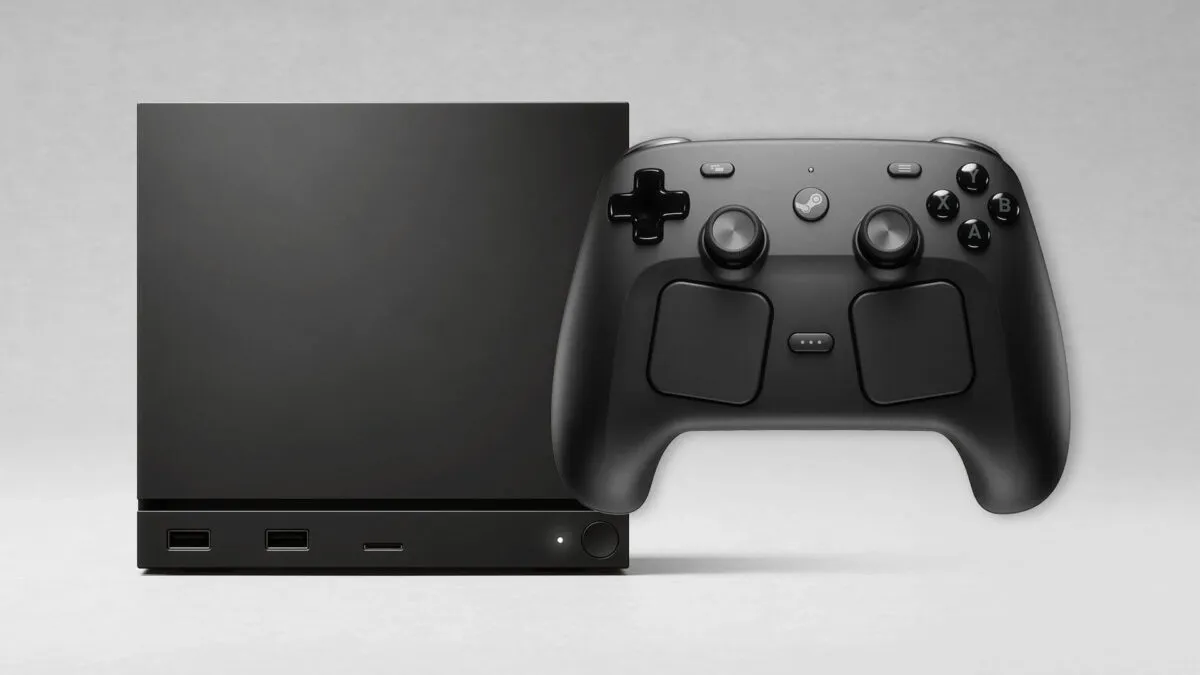
This is Valve making a serious play for the living room and the VR space at the same time. The Steam Deck proved that SteamOS can work as a console operating system. The Steam Machine is the logical next step: a more powerful box that does not require a handheld form factor. The Steam Frame is the wildcard that could either flop spectacularly or carve out a niche as the PC gamer's VR headset. Either way, Valve is building an ecosystem, not just a product. The summer is going to be interesting.