Valve raises Steam Deck OLED prices by up to $300 in the US and UK
By CriticalPixel ·

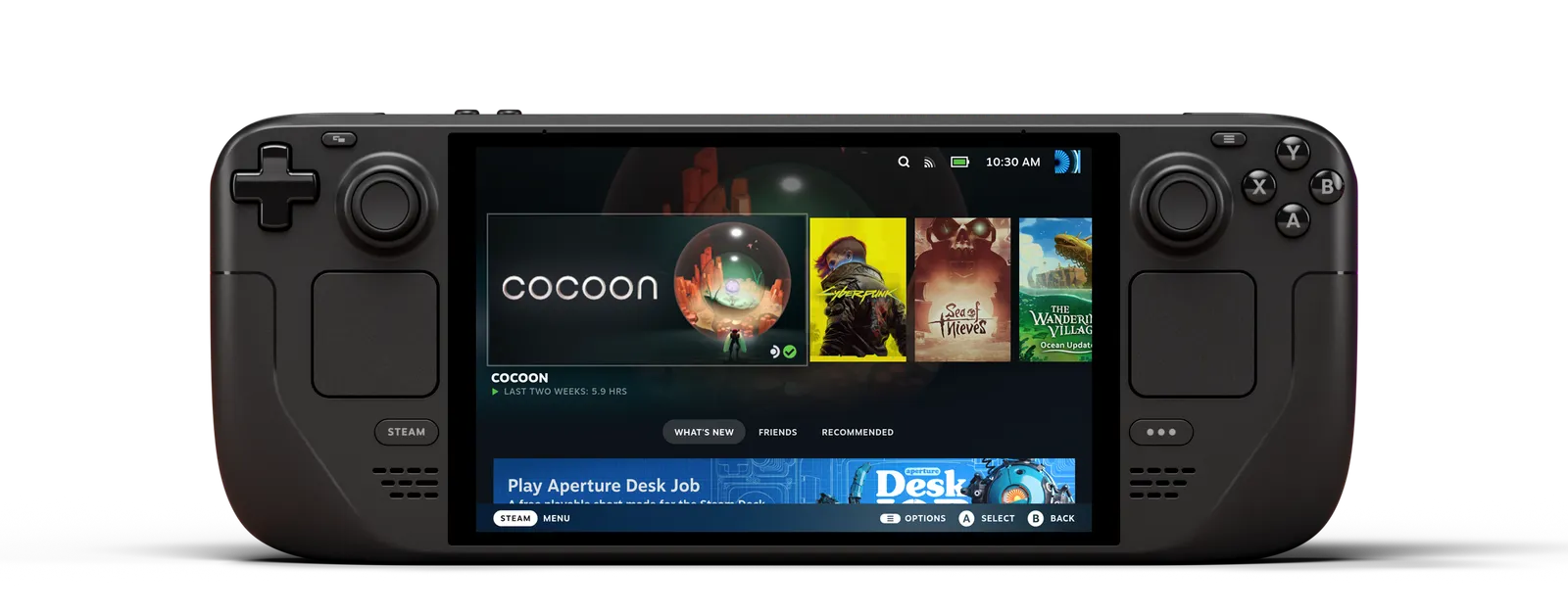
Valve has raised the price of the Steam Deck OLED in the United States and the United Kingdom, effective immediately and with no public statement. The 1TB OLED model went from $649 to $949, a $300 jump in a single update. The 512GB OLED moved from $549 to $789, up $240. Geoff Keighley confirmed the change on Twitter, noting the 1TB version now costs $949 USD, up $300 from its previous price. Deal tracker Wario64 flagged it at the same time, and the Steam store page updated within minutes. This is confirmed and live on the Steam store right now, with no explanation from Valve about the timing or the reasoning.
Here is what the new prices look like
The Steam Deck OLED 512GB now costs $789 in the US. The 1TB OLED now costs $949. Both models also went up in the UK: the 512GB moved from 479 pounds to 669 pounds, and the 1TB went from 569 pounds to 779 pounds. The original LCD Steam Deck was discontinued when the OLED model launched in late 2023, which means there is no lower-cost entry point left in the lineup. The $789 starting price now puts the Steam Deck directly in competition with Windows gaming handhelds like the Lenovo Legion Go S and the ROG Ally, both of which run the same PC game library with access to Steam. Valve has not published a blog post, press release, or any prior warning that this was coming.

This is not happening in a vacuum
Valve is not the only company repricing its hardware right now, but the scale of this jump is still jarring when you put it next to where the Steam Deck started. The original Steam Deck LCD launched in 2022 at $399 for the 64GB version. The 512GB LCD was $529 back then. The OLED models launched in late 2023 at $549 and $649, which was already a bump but still felt like a strong value proposition. Going from $549 to $789 in a little over two years for the same product category is a 44 percent increase. For broader context: the Nintendo Switch 2 launched at $499 for the console, up considerably from the original Switch at $299. The PS5 Pro sits at $699 to $799 depending on configuration. The Xbox Series X has also seen price adjustments in several markets. The $789 Steam Deck 512GB now costs more than the base PlayStation 5 did on launch day in November 2020. Gaming hardware is getting expensive, and the Steam Deck is no longer the obvious budget-friendly outlier it was when it first launched.
The internet is not taking this well
Twitter reacted fast. Synth Potato put the current hardware prices in a list to make the point clearly: $950 for a Steam Deck 1TB, $900 for a PS5 Pro, $650 for an Xbox Series X, $600 for a PS5, $500 for a Nintendo Switch 2. The conclusion was direct: gaming has become unaffordable. The post picked up nearly 600 likes within an hour, and the replies ranged from people making peace with the new price to others pointing out that $949 can buy a capable gaming laptop or a mid-range desktop that plays the same PC library without the form-factor compromise. One commenter gave Valve partial credit for announcing the price hike before Summer Game Fest, since the major console manufacturers tend to time price changes around or after major gaming events. That is a notably low bar, but the observation landed with some people. The overall sentiment is negative, with a shared frustration that the Steam Deck was one of the few good-value hardware stories in recent years and that story just got a lot harder to tell.
What Valve is doing here
The Steam Deck launched in 2022 at prices widely believed to be at or below Valve's cost. That was intentional. Valve needed to prove that PC gaming in a handheld form factor could work at scale, and selling the hardware at a loss or near-loss was part of getting there. The strategy worked. The Steam Deck built a large and loyal user base, legitimized the handheld PC gaming category, and pushed Lenovo, ASUS, and others to build competing devices. The OLED revision in late 2023 kept the same pricing to maintain that momentum. This price jump reads like Valve deciding the experiment has concluded and the Steam Deck is now a mature product that earns its own margin. Whether that is a fair read depends on whether you think the software advantages of the Steam Deck over Windows handhelds are worth $200 to $300 more than they were yesterday. SteamOS is more polished than most Windows handheld implementations, and the Deck's library compatibility and battery efficiency are consistently better in practice. That meaningfully differentiates it from competitors running Windows at similar prices. The problem is that the price gap that once made the choice obvious is now gone, so the answer becomes a matter of preference rather than a clear winner.
What comes next
Valve has not announced any new hardware to go alongside this price increase. No Steam Deck 2, no spec update, no new model. This is the same OLED hardware at higher prices, and that is the full announcement. If you bought a Steam Deck in the last few months at the old price, that looks like a good decision now. If you were waiting, this is a frustrating development. The timing is worth watching over the coming weeks: if Valve runs a Summer Sale discount that brings the Steam Deck back close to its previous pricing, the whole move looks like a setup for a limited-time deal rather than a permanent repricing. If these prices hold through the rest of 2026, the Steam Deck stops being the clear and obvious pick for portable PC gaming and becomes one option among several at comparable price points. Aya Neo, Lenovo Legion Go, ROG Ally, and GPD each have devices at or below the new Steam Deck entry price, all running Windows and all accessing the same Steam library. Valve just made that comparison considerably more interesting for anyone who was not already committed to the Steam Deck ecosystem.