Wizards of the Coast President John Hight Out After Two Years on the Job
By CriticalPixel ·
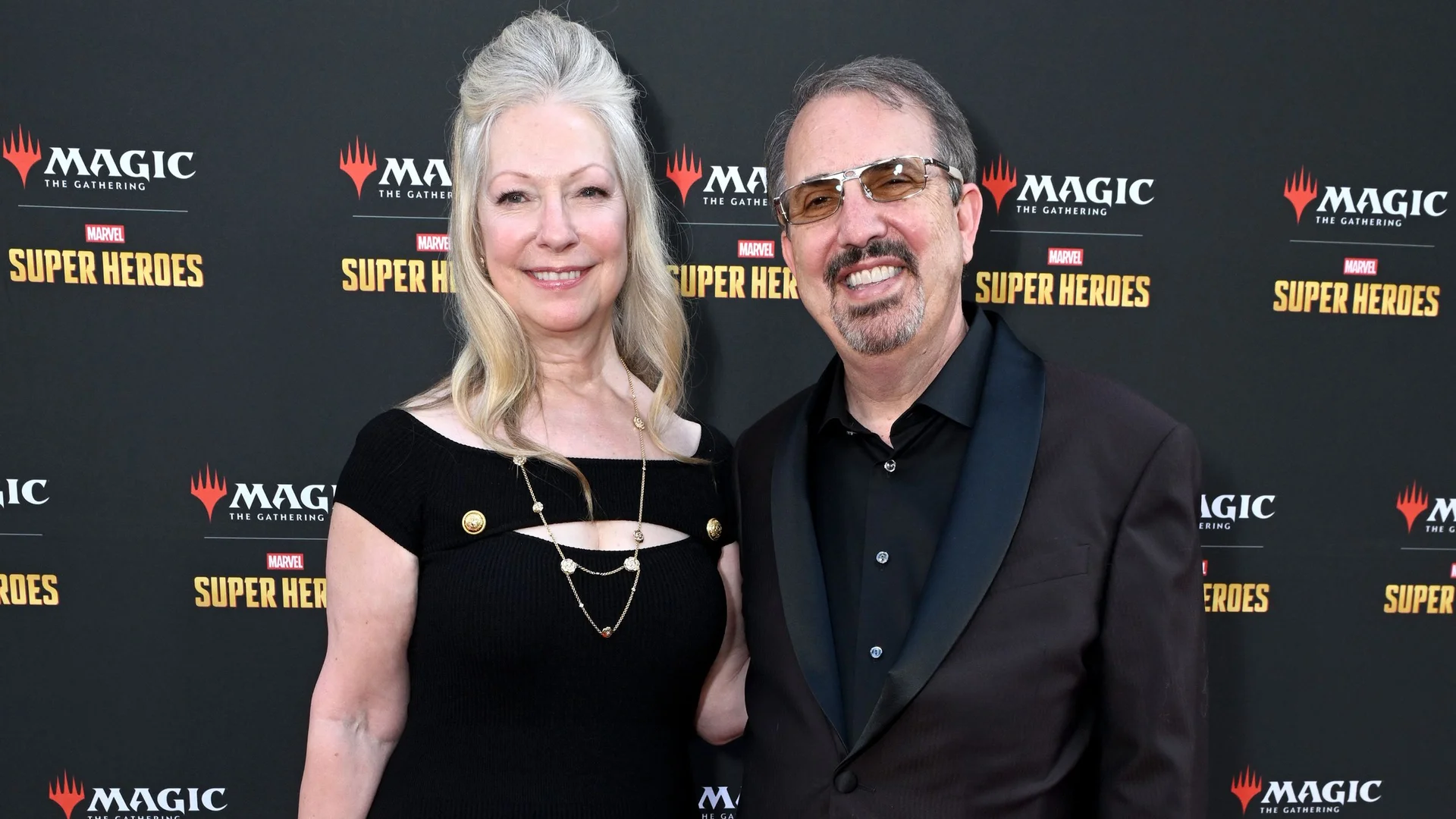
Wizards of the Coast president John Hight is out. A US Securities and Exchange Commission filing dated July 27 confirms that Hight and Hasbro have signed a Transitional Advisory Services Agreement, and that he will leave the president role on September 1. The departure closes a short, intense chapter for the Magic the Gathering and Dungeons and Dragons owner, and lands a single week after Hasbro took a $56 million impairment charge tied to cancelled videogame projects inside the very division Hight was hired to run.
Hight's exit is not framed as a firing. WotC's statement to GamesIndustry.biz says he is "transitioning from the role" and "will continue to support Wizards in an advisory capacity while pursuing other creative and professional opportunities he's passionate about." WotC is now running an internal and external search for Hight's successor, and it is at pains to stress continuity: "There is no change to the strength of the Wizards business. Magic: The Gathering and Dungeons and Dragons continue to perform incredibly well, consistent with our most recent earnings release, and our upcoming 2027 videogame slate, including Exodus and Warlock remains on track."
Two years and a $56M impairment
Hight joined Wizards of the Coast in August 2024, roughly two months after leaving Blizzard, where he had spent nearly 13 years and most recently served as general manager of the Warcraft franchise. His remit at WotC was wide: "all publishing and development efforts for Magic the Gathering, Dungeons and Dragons, and Hasbro Digital Gaming." On paper, the job was a clean handoff from a tabletop veteran into the largest games-industry portfolio outside the platform holders. In practice, his tenure is bookended by two of Hasbro's loudest corporate stress signals of the last twelve months.
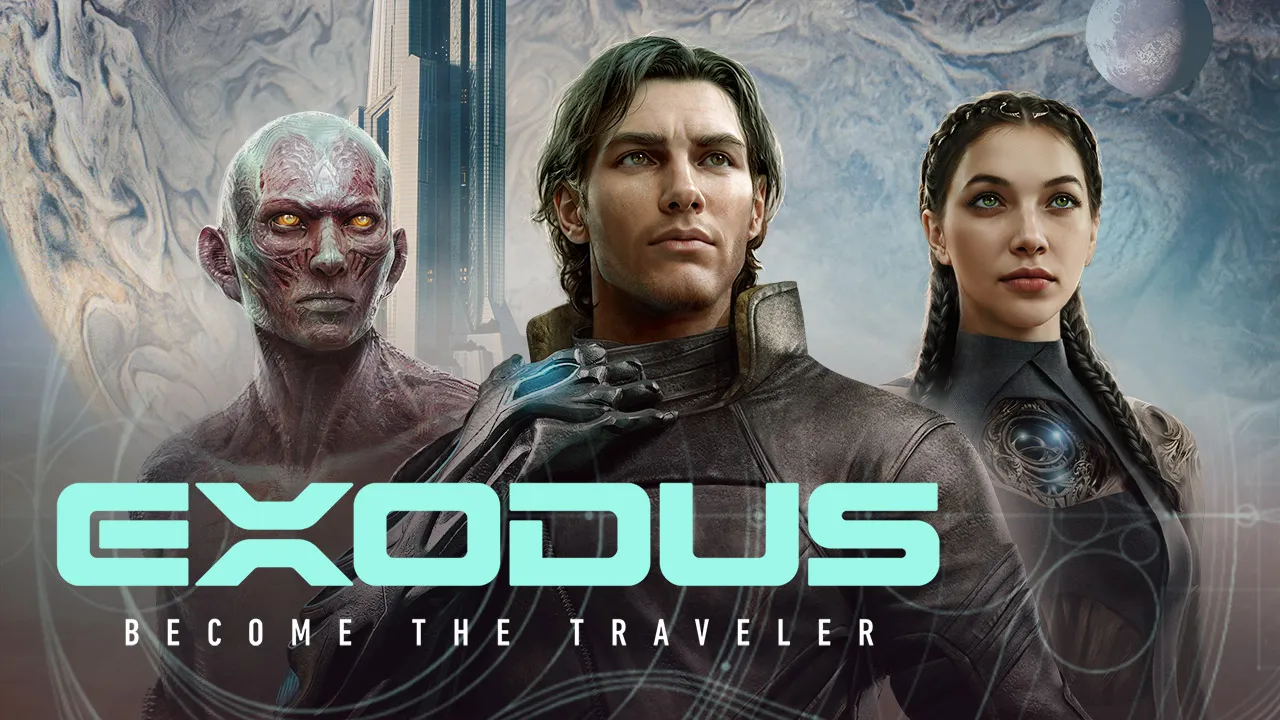
The first is the cancellation wave. Last week Hasbro recorded the $56 million impairment, confirming it had killed "several" games scheduled for release in 2028 and beyond. One of the known casualties is the Dungeons and Dragons game from Giant Skull, the studio led by Jedi: Fallen Order director Stig Asmussen, which WotC had announced a publishing deal with in June 2025. A high-profile GI Joe game first unveiled in 2021 is also reported to be in trouble, although Hasbro insists it has not been cancelled. The Exodus sci-fi RPG from Archetype Entertainment, the studio Hight personally recruited veterans for, is one of the few flagship digital projects still standing in the public roadmap.
The second is Hasbro CEO Chris Cocks's own strategic pivot. Cocks has framed 2026 as WotC's "peak year for digital investment," and is publicly committed to trimming digital spend by at least 25 percent by 2028. Read together with the cancellations, the message is blunt: the gaming push that Hight was hired to lead is being pulled back, not pushed forward. Hight's own job description at Hasbro specifically called out that he "oversees the development of original and licensed videogames based on Hasbro's broader brand portfolio." When the corporate priority becomes doing less of that work, the president of that work becomes a short-timer.
Reactions: measured and a little pointed
Public reaction has so far been muted, which fits the way corporate news of this shape usually lands. The replies that did surface under PC Gamer's write-up were brief and a little pointed: one user joked "Out after two years? Guess D&D really is hard mode," and another noted that Hight "will continue to earn his $800,000 salary while in the advisory role," while the games he was nominally in charge of had just been written down by $56 million. That tension is the entire story in two lines. There is no fan uprising, because Hight was never a household name to most Magic and D&D players. There is also no defense, because the financials say the digital push under his watch got smaller, not bigger.
Industry coverage has been careful. GamesIndustry.biz confirmed the SEC filing, the September 1 transition date, and the advisory extension. Game Developer picked it up as a top-tier story in its news bar. PC Gamer's Andy Chalk, who broke it first, drew a clean line between the cancellation news and the personnel change without speculating on cause. Nobody is calling it a firing, and the framing so far is "transition" rather than "ouster." Hasbro, for its part, is doing what companies always do in this shape of departure: protecting the executive, protecting the stock narrative, and signaling that the search is already underway.
What this actually means for the games
Short term, nothing changes for players. WotC's own statement says the 2027 slate, which is now mostly the 2026 slate pushed back, is still on track. Exodus and Warlock were named specifically. The cancelled projects are gone, and the search for a successor is the kind of news that creates a six-to-nine-month leadership vacuum at the worst possible moment. In MMO-speak, the equivalent is a departing executive director with no replacement, while the studio tells the community that the roadmap is fine. Hight's job, after all, included an idea he floated publicly and warmly: a new Dungeons and Dragons MMO, built around "rethinking what an MMO is in this day and age." That pitch is now a piece of paper in someone else's inbox.
For Hasbro, the more interesting read is what kind of president comes next. The job was hired as a digital expansion leader. If the new president is hired as a digital contraction leader, expect more cancellations, more studio quiet-quits, and a leaner D&D-and-Magic-only digital footprint by 2027. If Hasbro instead goes back to its tabletop roots and treats Magic and D&D as the engine, the videogame ambitions may simply get farmed out to licensees and partners rather than built in-house. Either way, the era of Hasbro chasing the videogame AAA market with its own studios is functionally over, and Hight's exit is the cleanest confirmation we are likely to get.
CriticalPixel take
Two years is a brutal tenure to print, and it is not because John Hight is suddenly a bad executive. It is because Hasbro decided, while he was the president, that it did not actually want to be in the videogame business at the scale it had been telling Wall Street it was going to be in. The $56M impairment is the number, but the real message is Cocks's 25 percent digital-spend cut by 2028. When the company line becomes "we will spend less, more slowly, on fewer games," the executive whose entire job description is to spend more, more quickly, on more games becomes structurally redundant. WotC gets to keep its tabletop golden goose and shed the digital ambitions that never quite fit.
The pity is the work that did not survive. Stig Asmussen's D&D project is the most concrete loss. The Exodus bet is the survivor, and Archetype Entertainment is the studio now carrying the entire digital banner. Hight was the one who recruited veterans into that studio and pitched the D&D MMO idea out loud. Now he is on a one-year advisory clock, paid $800,000 to be available by email, while the next president decides whether the digital dream is worth saving or quietly shelved. Hasbro will call it continuity. Anyone who has watched a publisher walk back a five-year gaming strategy will recognize the sound of a door closing very politely.