Xbox Is Cutting 'Significant' Jobs in July While Its CEO Admits a Near-$500M Revenue Drop
By CriticalPixel ·
Xbox put on a decent showcase last Sunday. Fable looked polished, Gears of War: E-Day got a proper reveal, State of Decay 3 finally showed what it is, and the limited-edition translucent green Xbox Series X25 was a slick nod to 25 years of the brand. Then, two days later, CEO Asha Sharma published a letter to Xbox employees that reads nothing like a hype campaign. It's called 'Next 100 Days: Xbox Reset,' and it's one of the more candid pieces of corporate communication to come out of the games industry in years. Significant layoffs are landing in July, marketing budgets are getting slashed, and the underlying financial picture Sharma is working with is rough. Bloomberg's Jason Schreier broke the layoff story before Sharma's letter went public - by the time it was posted on Xbox Wire, the shape of the situation was already clear.
The Numbers Behind the Reset
Sharma and chief content officer Matt Booty co-signed the letter and shared some numbers that put the challenge in sharp relief. Xbox will close this fiscal year at a 3% accountability margin - that's Microsoft's internal language for profit margin. Microsoft's company-wide target is 30%. Xbox is operating at one-tenth of that. Over the past five years, Xbox has invested more than $20 billion into content, platform development, and hardware subsidies. During that same stretch, annual revenue did not grow - it dropped. The decline came in at nearly half a billion dollars. Schreier's Bloomberg report adds that beyond the layoffs, Xbox is also planning major cuts to marketing spend and other parts of the business. The cuts in July will happen right after the fiscal year closes, which means the team that just put together a showcase watched by hundreds of millions of people will be smaller by August.

A Hardware Crisis Compounding the Damage
The revenue problem does not exist in isolation. Xbox is also dealing with a component shortage that Sharma says is hitting the company harder than most of its competitors. When she took over as CEO in February 2026, the price Xbox was paying for console storage components was already more than double what it had been the prior autumn. Those costs have since doubled again. Looking ahead to the 2027 holiday season, Xbox projects yet another major jump - landing at more than five times what the company was paying just two years ago. Memory costs are tracking a similar path. Sharma was direct about why Xbox may be feeling this worse than Sony or Nintendo: the choices the company made over the prior five years left it more exposed to this kind of market shift. The consequence is that Xbox cannot currently build as many consoles as players want to buy. The company's next-gen hardware platform, Project Helix, is being rethought as a result, with new business models and manufacturing partnerships on the table.
'Is It Fixable?'
That was the first question Asha Sharma asked Matthew Ball when she brought him in as chief strategy officer last month. Ball is not a typical gaming executive - he's an industry analyst known for his widely-read annual state of video gaming reports, and before that he spent time at Amazon Prime shepherding productions like Fallout, The Boys, and Rings of Power. Sharma went right at it in their first meeting: 'Is it fixable?' Ball, for his part, answered yes. 'I'm a strategic optimist,' he told The Game Business. 'I think it is incredibly defeatist to think that there's any scenario that you can't do better, that you can't improve. How hard is it? Different question. What's it going to take? Different question. How long is it going to take? Those are all different questions.' Ball's role includes planning for Project Helix and identifying potential acquisitions to strengthen Xbox's position in hardware, PC gaming, mobile, and streaming.
Game Pass Is Growing Again, and Exclusives Are Back
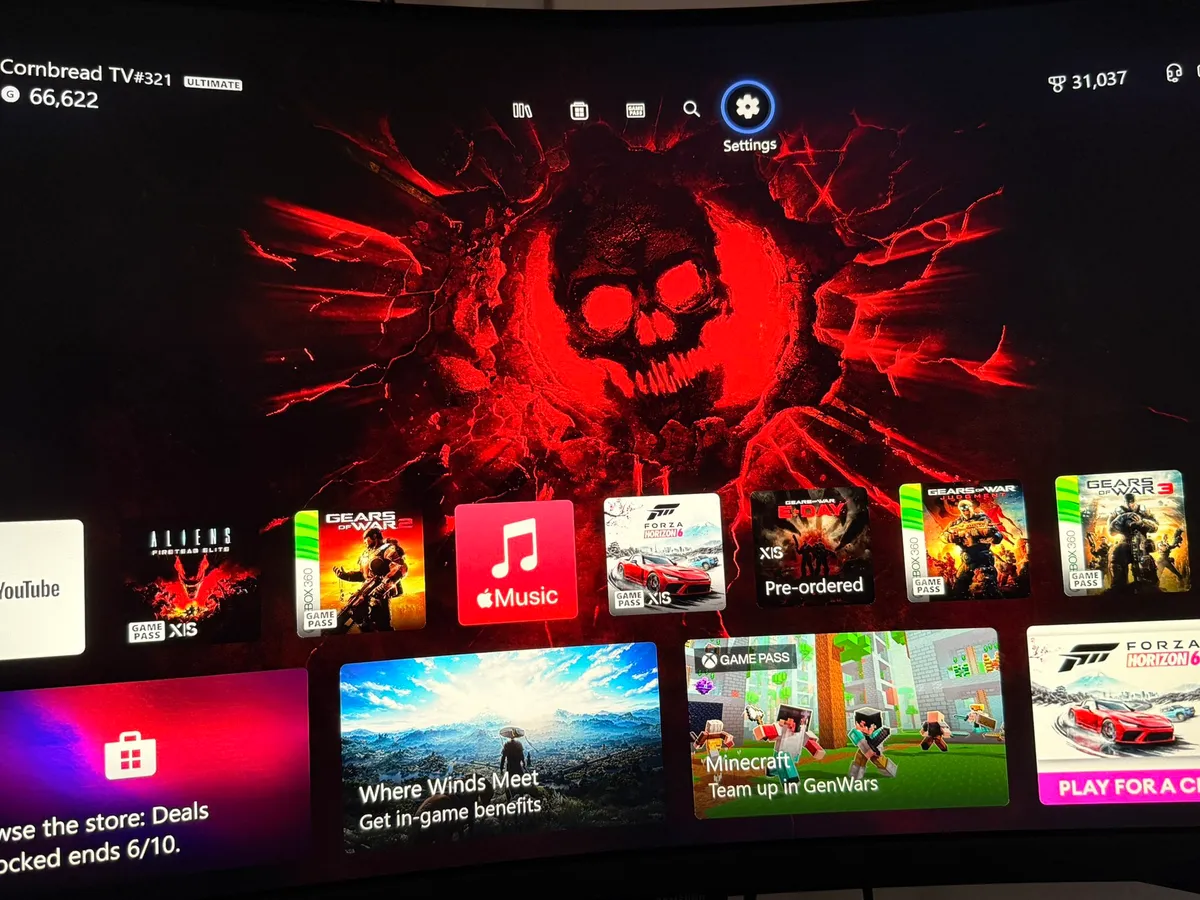
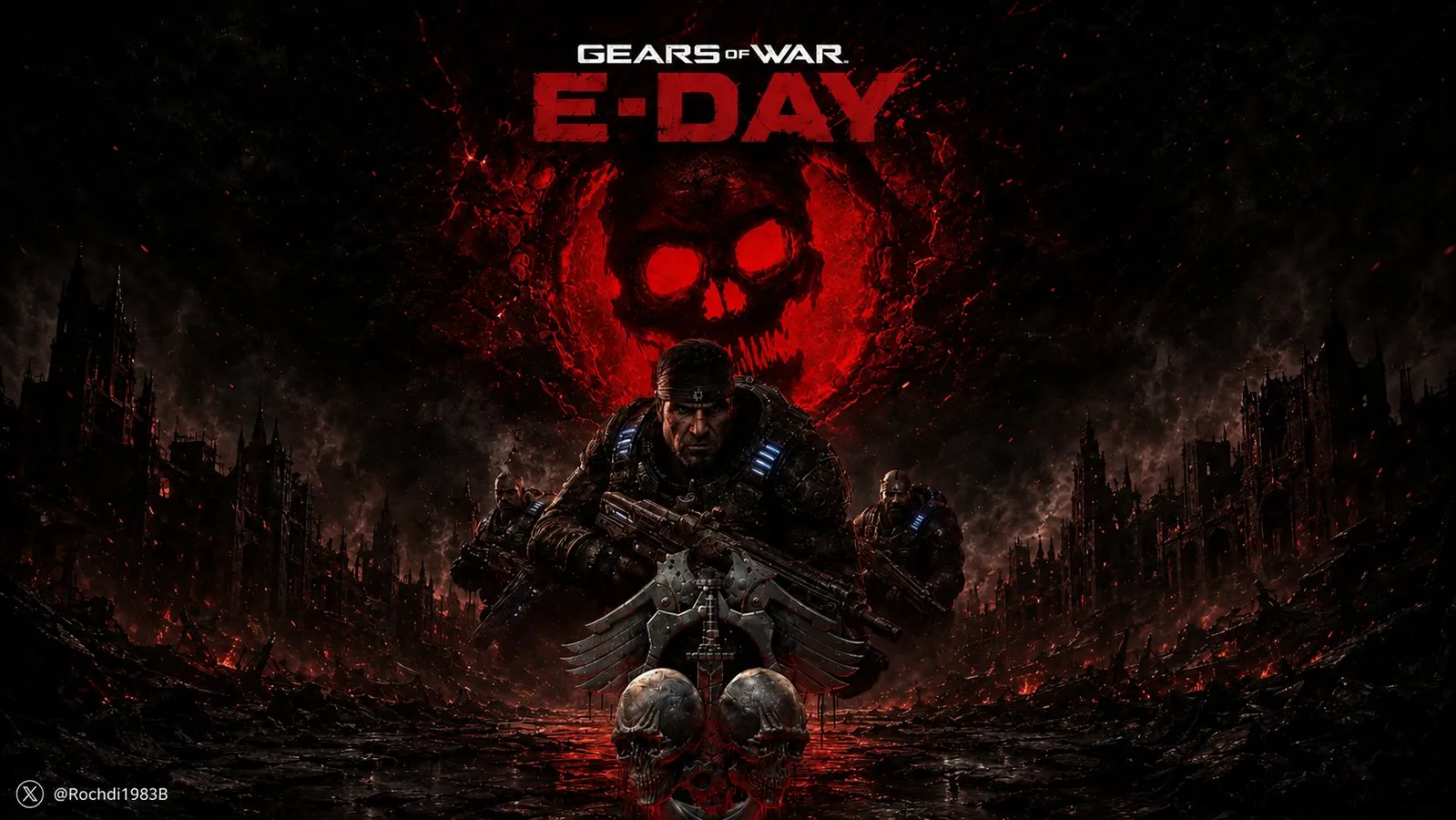
Buried inside the grim financial update are a couple of things that suggest the reset is not starting from zero. After losing millions of Game Pass subscribers following a price hike, the service has turned around - according to Sharma's letter, Game Pass started growing again after more than eight months of consecutive decline. That's not nothing. On the content side, Xbox made a firm commitment at last weekend's Showcase: Gears of War: E-Day and Clockwork Revolution are both staying off PlayStation 5. They're not timed exclusives. Sharma has been consistent about the reasoning - building a platform people want to pay for requires software they can't get anywhere else. The letter also notes that Playground Games and Fable set new records, a clear attempt to show the franchise-focused approach is already working at least in some corners of the studio system.
How Players Are Taking It
The reaction online split along predictable lines. Xbox fans are worried, a lot of them genuinely, because layoffs hit developers who make the games they care about. PlayStation fans are doing the 'I told you so' thing. The Eurogamer piece pulled over 115 reader comments, IGN's Matthew Ball interview drew more than 240. What a lot of people pointed out is the timing - running a big flashy Games Showcase one weekend and announcing significant job cuts the following Tuesday is either tone-deaf or a calculated attempt to soften the blow while goodwill is still warm. The '#XBOXShowcase' tweet from the official Xbox account pulled a million-plus replies. That kind of engagement doesn't just disappear, but the layoff news shifts its context completely. The people making the games that generated that excitement are now waiting to find out if they still have a job in July.
A Company That Has Been Too Many Things for Too Long
The situation Xbox is in now did not happen overnight, and none of it is a surprise if you have been paying attention. The company spent the better part of a decade trying to be a subscription platform, a streaming service, a multiplatform publisher, a console maker, and a PC gaming company simultaneously. Spending $20 billion across all of that without growing revenue is a structural failure, not a bad quarter. Sharma's letter uses the phrase 'over extended' to describe the studio system, and it's accurate - acquiring 23 studios with the intention of filling a Game Pass library created a content pipeline that was never properly funded to build franchise-defining titles. The people losing jobs in July built some of the best games in the industry. That's the part that matters most.
If Sharma's reset actually results in Xbox putting real resources behind Gears, Fable, Halo, and a next-gen console that ships on time, the direction is right even if the road to get there is brutal for the people on it. The showcase last weekend proved the franchises still have pull. The letter published two days later proved the current business model cannot sustain them at the scale they deserve. Something had to give - it just shouldn't have been the jobs of the people building those games.