Xbox May Close Ninja Theory and Double Fine Less Than a Month After Announcing Hellblade 3
By CriticalPixel ·
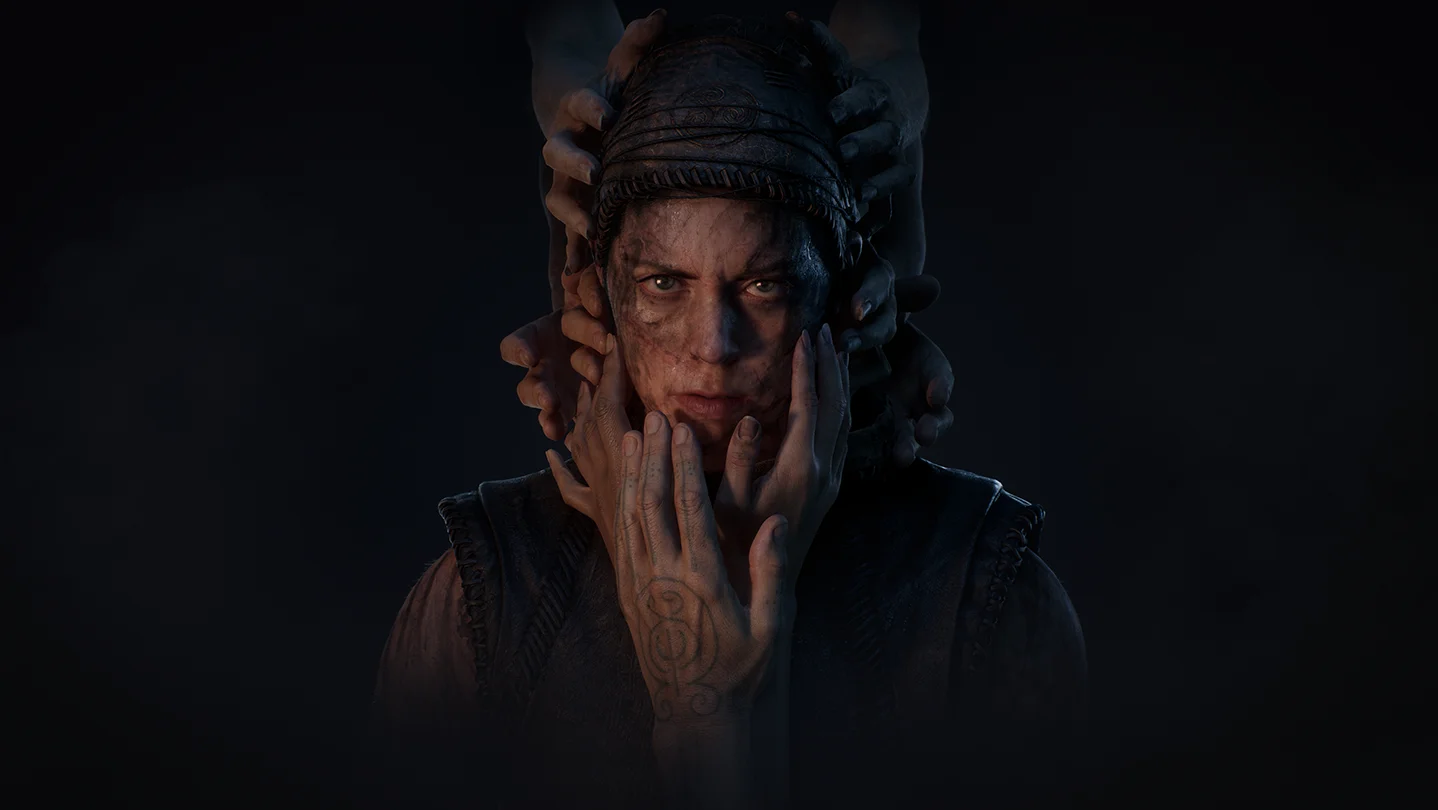
Microsoft announced Hellblade 3 at its Xbox showcase on June 7. It was one of the more surprising reveals of the summer, Senua returning for a third outing from the same Cambridge studio that built the original on a tiny budget and shipped it as a passion project. That was eight days ago. Now Bloomberg is reporting that Ninja Theory is in active negotiations with Xbox to spin off and avoid closure. The same company that showed you a sequel trailer last week may be fighting for its survival this week. That timeline is not a miscalculation. It is Microsoft operating in full chaos mode, and players are right to be furious.
The Studios Fighting to Survive
Jason Schreier at Bloomberg broke the story on June 15, reporting that several Xbox-owned studios are in active negotiations to spin off as independent entities rather than face closure outright. Ninja Theory, the studio behind the Hellblade series, and Double Fine, Tim Schafer's developer of Psychonauts, are both named alongside the previously reported Compulsion Games. Some outlets have also cited Arkane Studios, currently deep in development on Blade, as potentially at risk. None of this is confirmed by Microsoft officially. The company has not commented. But when Schreier writes it, it tends to be accurate, and multiple outlets including Kotaku and IGN have since confirmed the same details from their own sources.
The framing here matters. These studios are not being offered spin-off deals as some kind of reward. They are reportedly pursuing independence because the alternative is being shut down entirely. The distinction between a voluntary spin-off and a studio scrambling to avoid closure by whatever means available is significant, and the Bloomberg report makes clear this is the latter situation.
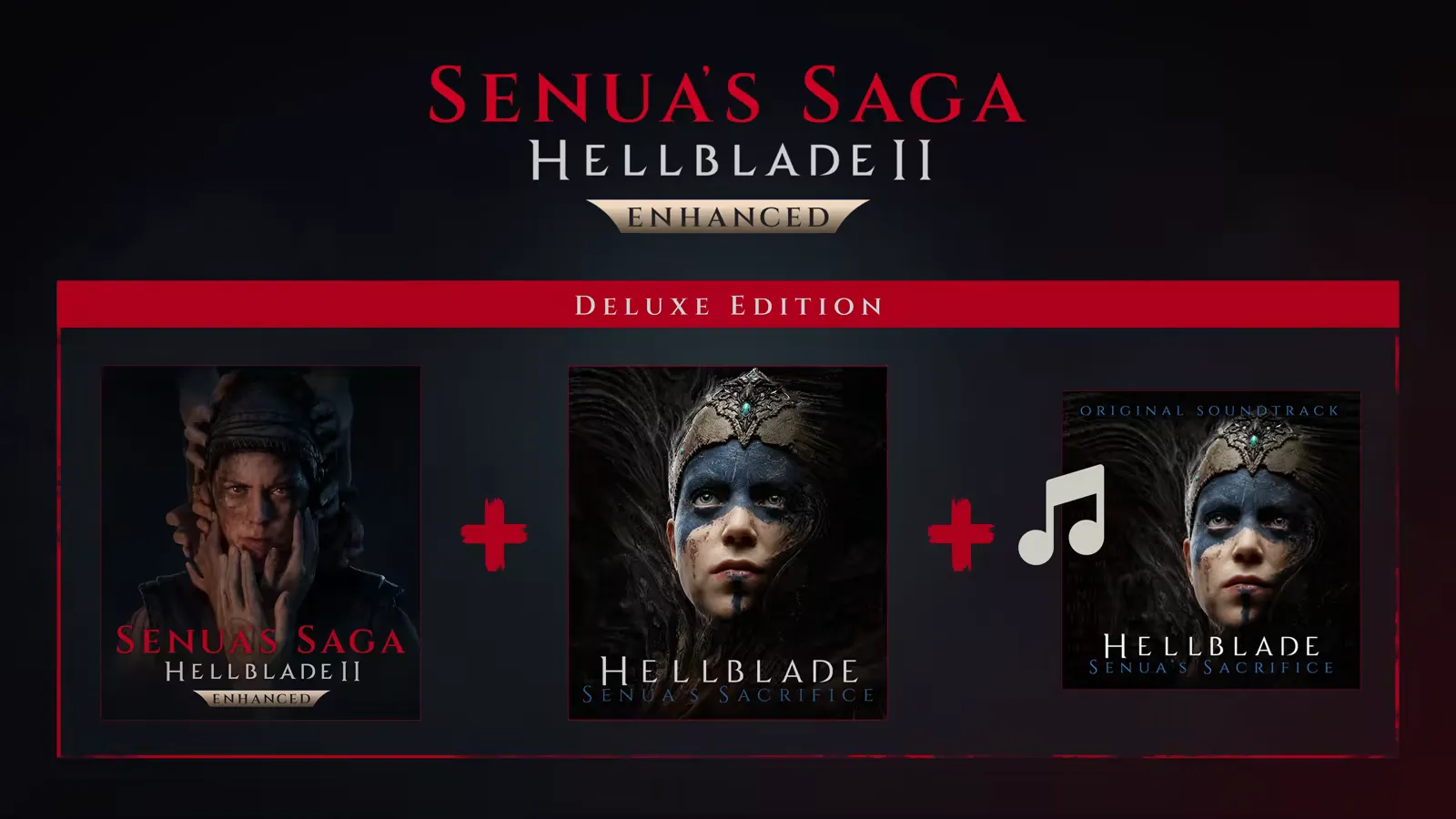
Ninja Theory: Announced a Sequel, Now Negotiating to Exist
Ninja Theory has one of the more interesting histories in UK game development. The studio spent years as an independent outfit, releasing Heavenly Sword and DmC: Devil May Cry before self-publishing Hellblade: Senua's Sacrifice in 2017, a game they produced for under five million dollars that went on to sell millions of copies. Microsoft acquired Ninja Theory in 2018 during the wave of Xbox Game Studios purchases under Phil Spencer. The pitch was stability, resources, and the ability to take bigger creative swings without worrying about going bankrupt mid-development.
Hellblade II: Senua's Saga followed in 2024 to critical acclaim, even if sales were more modest than Microsoft might have hoped. The studio is currently working on Hellblade 3, which was announced publicly at the Xbox Games Showcase three weeks before this report dropped. If these reports are accurate, that announcement happened while the studio was already in closure discussions. Showing players a teaser for a game you may never finish because the company funding it is deciding whether to shut you down is a strange thing to put on stage. Either Microsoft's left hand genuinely did not know what its right hand was doing, or the showcase was a farewell tour dressed up as a reveal.
Double Fine and the Broken Promise of a Safe Harbor
Double Fine needs less of an introduction. Tim Schafer's San Francisco studio has been making offbeat, deeply personal games since the LucasArts era, and the studio's history is a long string of projects that survived despite the odds. Psychonauts 2, released in 2021 after a Fig crowdfunding campaign that kept the studio alive, was widely considered one of the best platformers in years, earning strong reviews and finding an audience that the original never had the chance to reach. Microsoft acquired Double Fine in 2019, removing the financial pressure that had plagued the studio for over a decade. The acquisition was covered as a good-news story. A beloved studio finally had the backing to stop worrying about the lights staying on.

The irony that this acquisition may now result in the studio being dissolved is not subtle. Tim Schafer has built his career on making games that probably should not exist from a purely financial perspective, games that required a publisher willing to absorb creative risk for the long term. Psychonauts 2 cost more than expected and took longer than planned, which is true of nearly every Double Fine project. That kind of studio does not survive in a spreadsheet-driven environment where every title is expected to justify its existence within a single fiscal year. Microsoft has decided, apparently, that it is a spreadsheet-driven environment.
Xbox's Ongoing Reset and What It Is Actually Resetting
This news does not arrive in isolation. Craig Duncan, head of Xbox Game Studios, stepped down today alongside Xbox's chief of staff. Earlier this week came the confirmed closure of Compulsion Games, which had just shipped South of Midnight and won a Peabody Award for its storytelling. Over the past year, Xbox has cut several hundred million dollars from its gaming revenue while losing millions of Game Pass subscribers after a significant price increase. CEO Asha Sharma is pushing for what Microsoft is calling an Xbox reset, which appears to mean cutting anything that is not generating returns on a short timeline.
The acquisition strategy under Phil Spencer bought dozens of studios. Bethesda. Ninja Theory. Double Fine. Obsidian. Playground. The pitch to players was that Xbox was building a home for interesting, diverse games that might not survive inside a traditional publisher structure. What Xbox actually built was a holding company that collected creative studios and then ran out of patience with the results. The current leadership appears to be working out which ones to discard, and the studios with smaller commercial footprints are finding out the hard way that critical acclaim was never the metric anyone was measuring.
Community Reaction Has Been Uniformly Negative
Reaction across social media since the Bloomberg report dropped has been intense. The recurring point in replies is the absurdity of Ninja Theory's situation: a studio that revealed a new game at an official Xbox showcase is now reportedly in talks to avoid being shut down by the company that just put them on stage. Fans of Psychonauts have pointed out that Double Fine finally reached financial stability after years of struggling only to potentially lose that stability within five years. The word betrayal has come up repeatedly. The reaction is not mixed. It is almost uniformly negative toward Microsoft, and specifically toward the pattern of buying beloved studios and then closing them when their output does not move the needle on subscription numbers.
What a Spin-Off Actually Means for These Studios
Spin-offs, if they happen, would mean these studios walk away as independent developers. That is not the worst possible outcome compared to a full closure. But they would be walking away from the resources, infrastructure, and Game Pass pipeline that was supposed to make their games commercially viable in the first place. An independent Ninja Theory working on Hellblade 3 without Microsoft's budget is a fundamentally different project than the one currently in development. An independent Double Fine without the financial cushion of a major corporate parent is Double Fine circa 2015, crowdfunding its next game and hoping it has enough runway to finish it.
Microsoft will likely release a statement in the coming days that uses words like portfolio management and strategic alignment. None of it will change what has already happened. Studios that trusted Xbox as a long-term partner are looking for the exit. The studios not yet named in this report are probably wondering when their turn comes. If Xbox wants players to believe it is still a meaningful platform for creative, ambitious games, closing or gutting the developers who were supposed to prove that point is a strange argument to be making.